Loading live market data…
Section

Business & Economy

Coverage of macroeconomics, central bank policy, inflation, employment, trade and the corporate news driving the global economy.

Conceptual split image showing the K-shaped US economy in 2026 with luxury Manhattan penthouse champagne celebration on one side and struggling working class family at gas station with rising prices on the otherBusiness & Economy

The K-Shaped Economy In 2026: New York Fed Research Confirms High-Income Households Now Drive Almost All US Spending Growth

New research from the Federal Reserve Bank of New York and TransUnion confirms what economists have debated for two years: the US economy in 2026 is sharply K-shaped. Households earning more than $125,000 now drive nearly all consumer spending growth, while lower-income households face rising delinquencies on credit cards and auto loans. This article unpacks the underlying data, the Goldman Sachs warning that 2026 is the year the divide really bites, what it means for the stocks that will outperform, and the specific portfolio implications for both wealthy and middle-class investors.

Marcus Reinhart · May 5, 2026 · 20 min
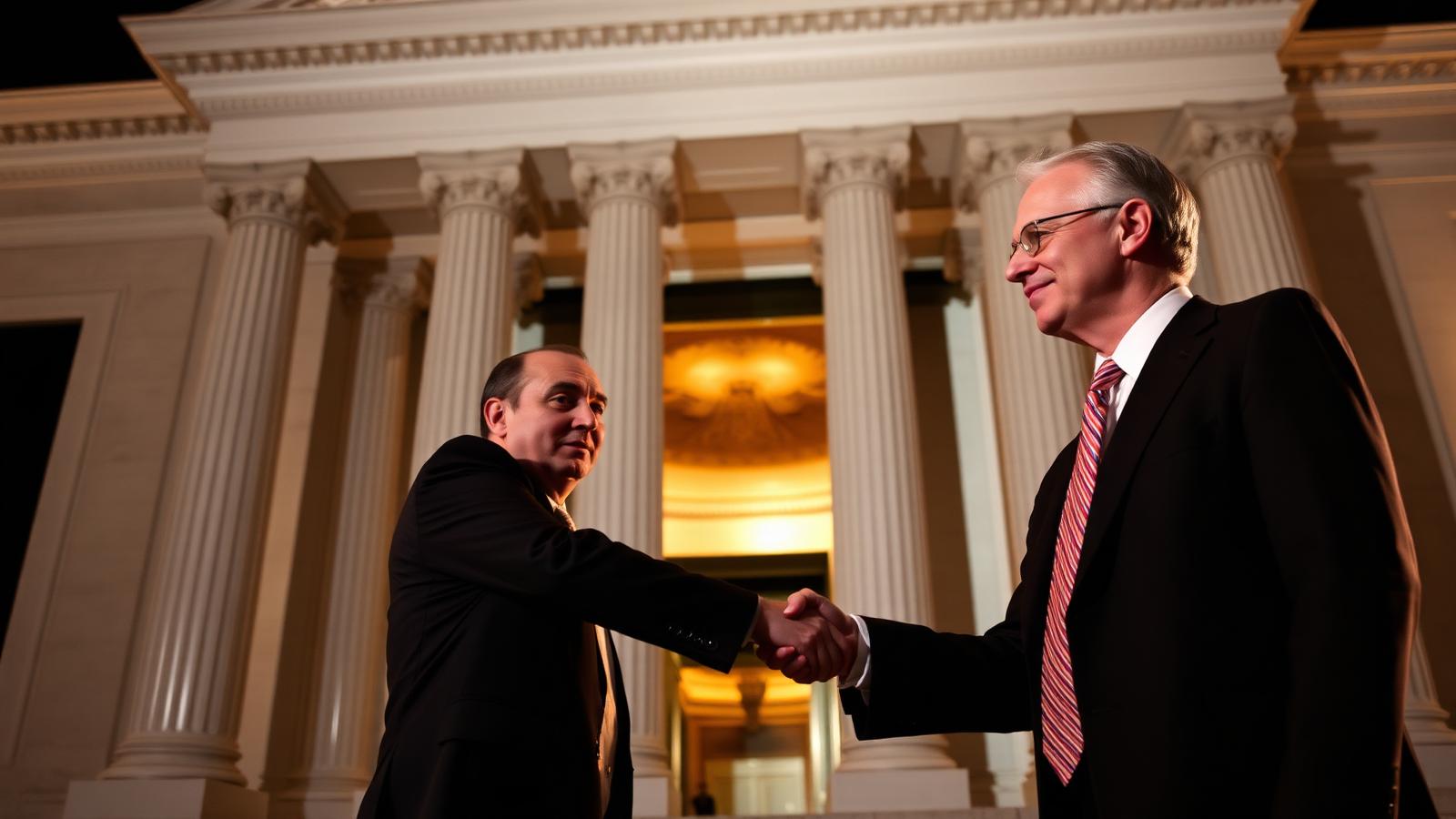
Kevin Warsh and Jerome Powell shake hands in front of the Federal Reserve building marble columns marking the May 2026 transition of the Fed chairmanshipBusiness & Economy

Kevin Warsh Confirmed As Fed Chair: What Powell Staying On The Board Actually Means For Your Money

The Senate has confirmed Kevin Warsh as the next Federal Reserve chair, but Jerome Powell is staying on as a governor — the first dual-chair Fed since the institution's founding. Markets, mortgage shoppers and savers are now scrambling to figure out what a Warsh-led FOMC actually does next, how the unusual Powell-on-the-board setup affects rate-cut odds, and what to do with your savings, mortgage lock and equity portfolio between now and the September FOMC.

Marcus Reinhart · May 5, 2026 · 21 min
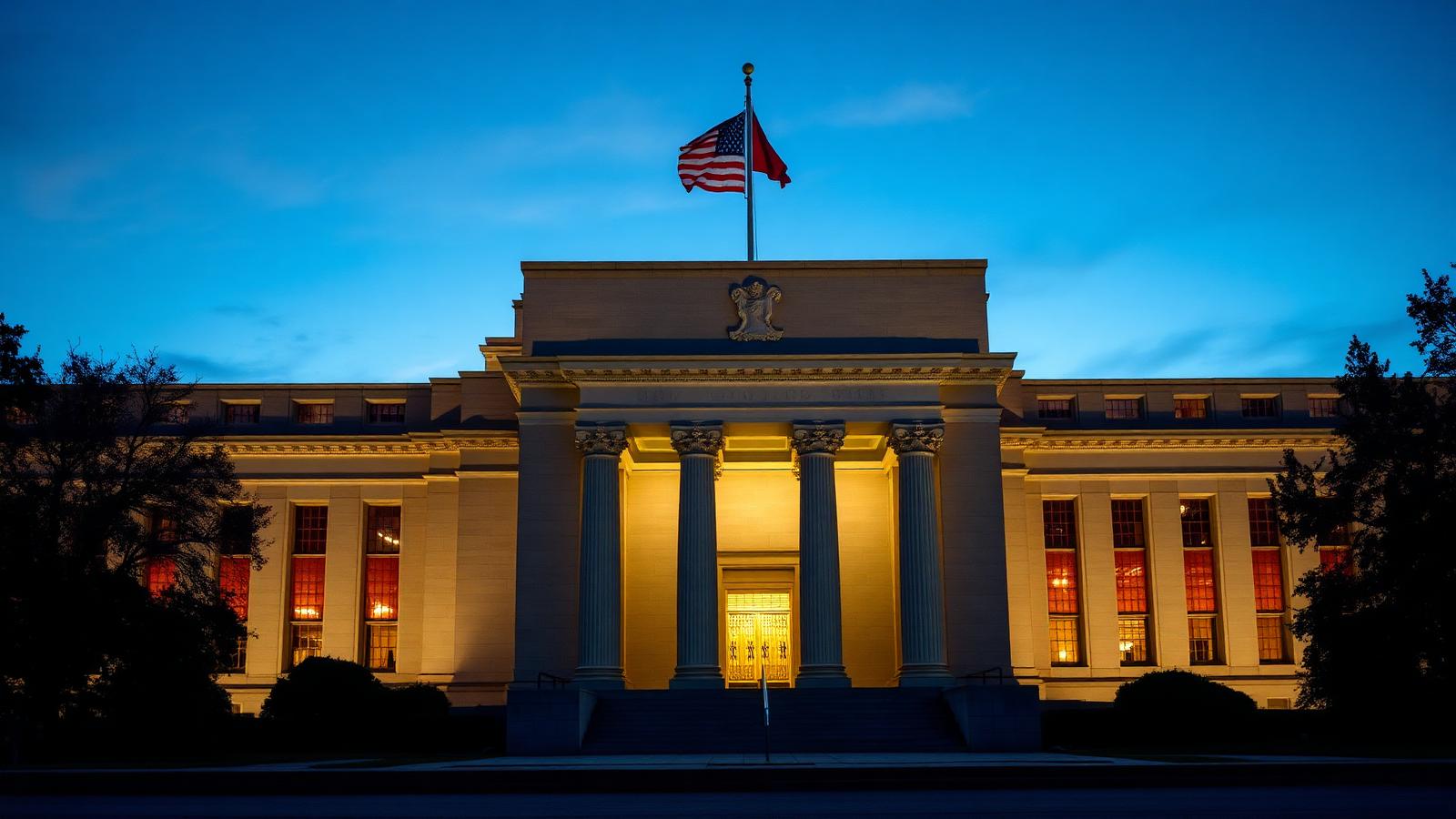
US Federal Reserve Eccles building in Washington DC at dusk after the April 29 2026 FOMC decision to hold interest rates steadyBusiness & Economy

Fed Holds Rates Steady in April 2026 With Highest Dissent Since 1992 — Here's What It Means for Your Money

On April 29, 2026, the Federal Reserve held the federal funds rate at 3.50%–3.75% for a fourth consecutive meeting — but four officials dissented in favor of a quarter-point cut, the most fractured FOMC vote since 1992. Here is exactly what the decision means for mortgages, high-yield savings, the stock market, and your monthly budget.

David Marin · May 4, 2026 · 19 min
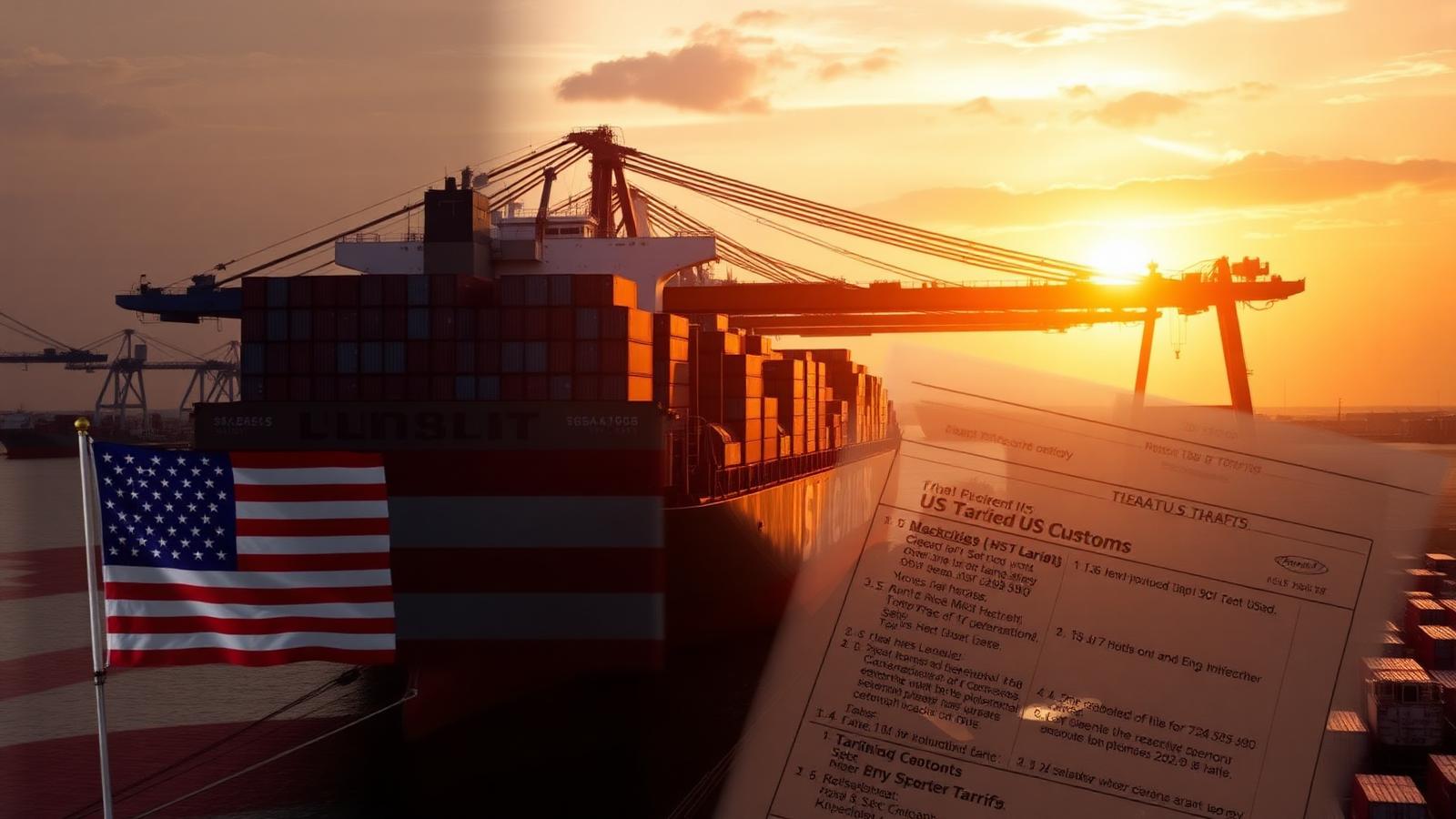
Container ship at US port unloading cargo with American flag and US Customs tariff documentation overlay representing one year impact of Liberation Day tariffs in 2026Business & Economy

Liberation Day Tariffs One Year Later: How Much Are They Really Costing American Households in 2026?

It has been just over a year since Liberation Day reset US trade policy with the highest average tariff rates since 1909. The Yale Budget Lab now estimates the average American household is paying $650 to $1,340 more per year as a direct result. JPMorgan warns the share of tariff costs absorbed by businesses (~80% in 2025) will flip in 2026 — with consumers picking up 80% of the burden going forward.

James Whitman · Apr 25, 2026 · 13 min