Iran-U.S. Peace Deal 2026: How the Pakistan-Mediated Breakthrough Is Reshaping Every Market
Pakistan-mediated Iran-U.S. de-escalation has dropped Brent 7%, lifted stocks, weakened gold, and lifted crypto - all in one week. Here is the full cross-asset impact and what to do with your portfolio.

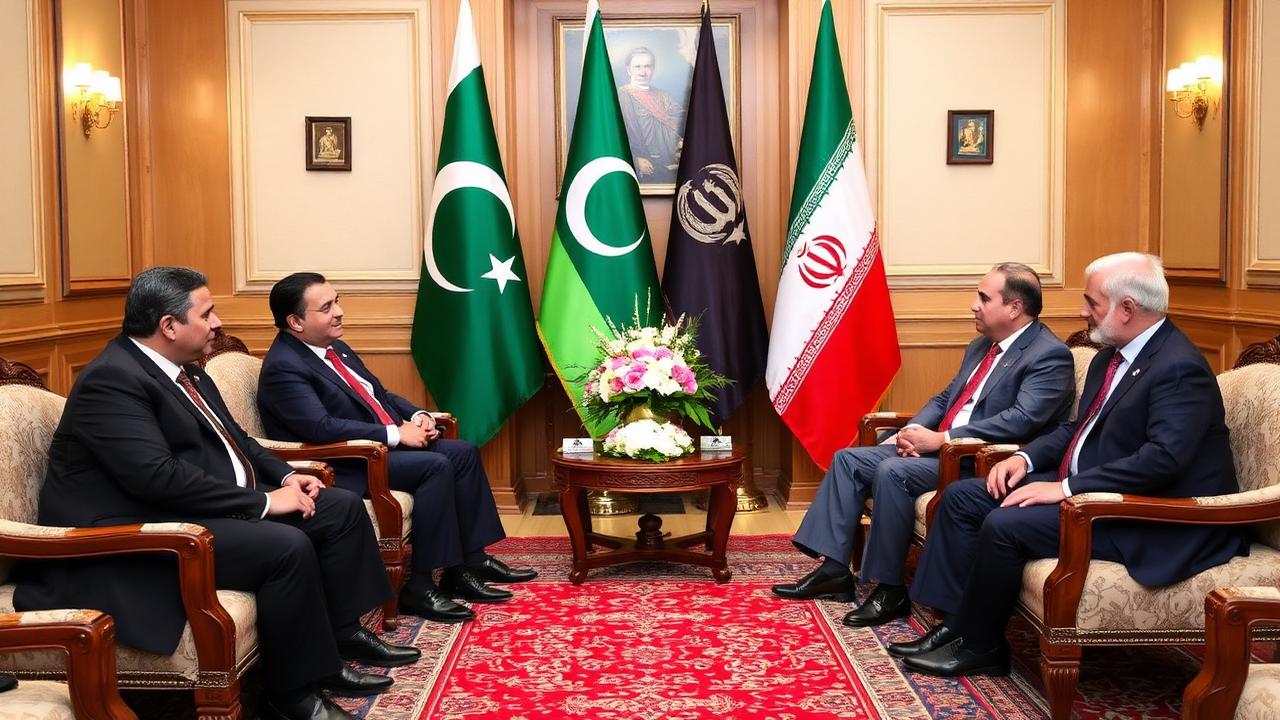
On May 1, 2026, Iran formally submitted an updated proposal to mediators in Pakistan that signaled a path away from a full closure of the Strait of Hormuz - the chokepoint through which roughly 20 percent of global oil supply transits. The U.S. response was constructive enough that, by May 4, Brent crude had fallen from a four-year high to $107 per barrel, ultimately dropping nearly 7 percent on the week. Stocks rallied. Gold pulled back. The U.S. dollar weakened against most majors. Crypto rose. The Iran-U.S. de-escalation is, in real time, the single largest cross-asset story of May 2026.
If you are sitting in Pakistan, India, or anywhere else in South Asia, this story is also unusual because Pakistan is not just an observer - it is the active mediator. That gives readers in this region a front-row seat to a geopolitical pivot that is reshaping every market simultaneously. This guide walks through what changed, why it matters for your portfolio and your fuel bill, and the asset-by-asset impact you can actually act on.
What actually happened - the May 2026 timeline
On April 28, Brent crude closed at $115.30 per barrel, the highest level since 2022, on fears that Iran would retaliate for U.S. sanctions enforcement by closing or contesting the Strait of Hormuz. On May 1, Iran sent a counter-proposal to Pakistani mediators. On May 3, the U.S. response signaled willingness to negotiate sanctions relief in exchange for verifiable enrichment caps. By May 4, Brent had fallen 7 percent to $107. The S&P 500 rallied 2.4 percent over the same window. Gold gave back 3.1 percent.
Pakistan's role as mediator is not new - Islamabad has historically maintained working diplomatic channels with both Tehran and Washington - but the formal mediation role makes this the highest-profile diplomatic engagement Pakistan has hosted in over a decade. For Pakistani investors, the secondary effect is real: a Pakistan that is seen as a constructive mediator gets cheaper sovereign borrowing costs and a stronger PKR over the medium term.
How the Iran de-escalation affects oil prices
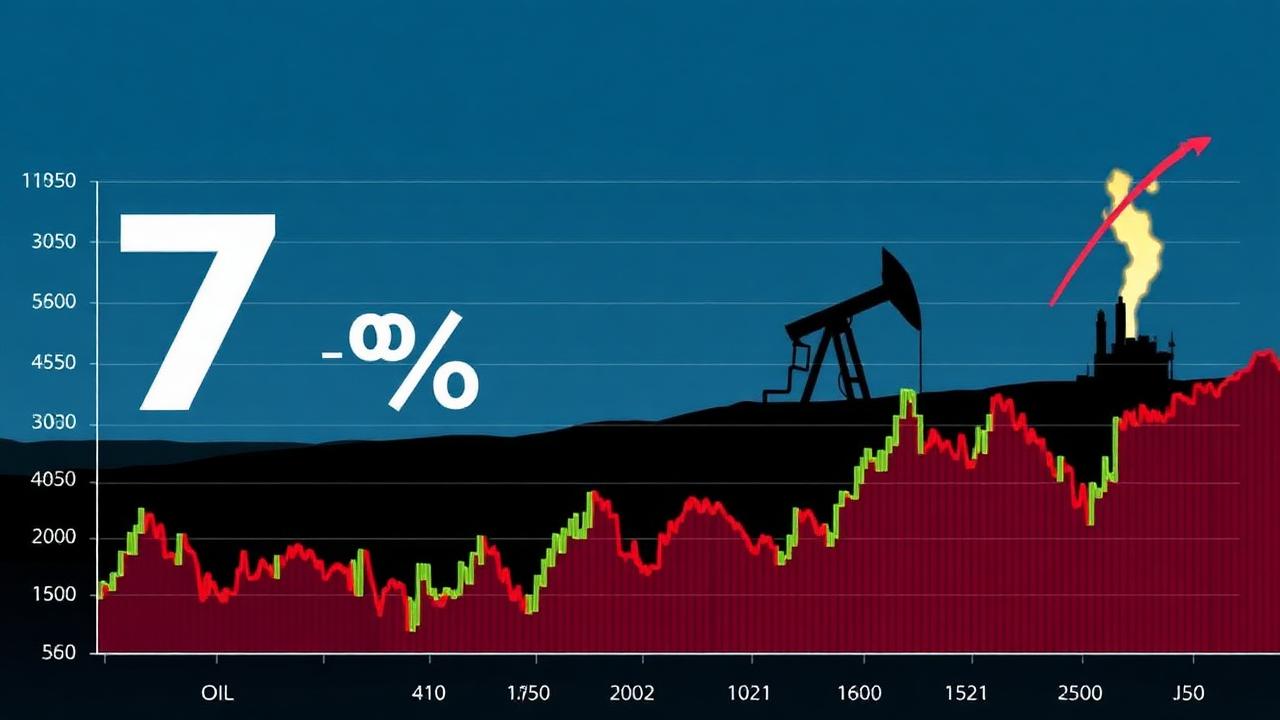
Oil is the asset most directly exposed. Brent crude has fallen from $115 to roughly $107, and analyst desks at Goldman Sachs, JPMorgan, and TD Securities are now revising their summer 2026 Brent targets down by $8–15 per barrel. The asymmetry matters: a deal that fully reopens Iranian export capacity adds 1.2–1.6 million barrels per day to global supply within six months, which is enough to push Brent toward $90 in a benign demand environment.
For consumers, the math is straightforward. Every $10 drop in Brent translates roughly to a 25–30 cent per gallon drop at the U.S. retail pump within four to six weeks, and a similar proportional drop in Pakistan, India, and other oil-importing emerging markets. If the de-escalation holds and Brent settles at $95–100 by July, U.S. national average gasoline prices likely fall from current $3.85 to $3.30–3.45 by Independence Day.
How the Iran de-escalation affects stocks
Equity sector impacts have been remarkably clean. Energy stocks have underperformed (XLE down 4.2 percent on the week), airlines and cruise lines have outperformed sharply (JETS +6.8 percent), industrials and consumer discretionary have rallied on the implied lower-input-cost thesis, and defense names have given back recent gains. Tech and growth stocks have rallied on the dual tailwind of lower oil-driven inflation and a weaker dollar.
For Pakistan and India equity investors, the implications are stronger. India's economy benefits enormously from cheaper oil - the country imports over 85 percent of its crude, and every $10 drop in Brent improves the current account by roughly $15 billion annually. Pakistan benefits even more proportionally. Both KSE-100 and Nifty 50 indices have outperformed the MSCI Emerging Markets index by over 200 basis points in the week since the de-escalation began.
How the Iran de-escalation affects crypto
Crypto has been a clean beneficiary. Bitcoin is up 4.8 percent on the week, partially reflecting the same risk-on shift that lifted equities, partially reflecting the unwinding of geopolitical-hedge positioning that had been propping up gold. The bitcoin-gold correlation, which spiked to 0.78 during the late-April crisis, has fallen back to 0.58. This is normal - bitcoin trades as a risk asset in benign regimes and as a monetary hedge in crisis regimes.
How the Iran de-escalation affects gold
Gold gave back 3.1 percent on the week as the geopolitical risk premium was unwound. This is normal and expected. The longer-term gold thesis - central bank diversification away from USD reserves, structural inflation, fiscal dominance - is unchanged. For long-term gold holders, the pullback is noise. For tactical traders, the unwinding of crisis premium creates a cleaner entry point closer to $3,200/oz from current $3,310.
How this affects your monthly budget
The personal-impact math is concrete. If Brent settles at $95 by July, U.S. consumers save approximately $15–25 per month on gasoline at typical driving volumes. Heating oil and natural gas follow with a six- to eight-week lag. Airline fares, which are heavily exposed to jet fuel, typically reset on a one-quarter lag - meaning Q3 2026 ticket prices should be 5–10 percent below the Q1 peak. Trucking and freight costs follow with a similar lag, which feeds into goods prices broadly.
Risks to the de-escalation thesis
- Diplomatic breakdown - peace negotiations fail and Iran reverts to enrichment escalation, sending Brent back above $115.
- Verification disputes - even a partial deal can fall apart at the verification stage, as happened in 2018.
- Regional spillover - a separate flashpoint (Lebanon, Yemen, Iraqi militias) reignites the broader regional risk premium.
- U.S. domestic political resistance - Congressional opposition can block sanctions relief, removing the Iranian incentive to comply.
- OPEC response - Saudi Arabia and the UAE may cut production to defend prices if Iranian barrels return, partially offsetting the supply impact.
Bottom line for your portfolio
The cleanest portfolio response to the Iran-U.S. de-escalation is not to make a big tactical bet. It is to recognize that the geopolitical risk premium that has been embedded in oil, gold, and emerging-market equities for the past two months is now actively unwinding. If you have been waiting to add to risk assets, this is a constructive setup. If you are heavily exposed to energy, this is a moment to consider rebalancing. And if you live in an oil-importing emerging market - Pakistan, India, Turkey, much of Southeast Asia - the macroeconomic tailwind from cheaper oil is real and worth a portfolio tilt toward your local equity index.
Frequently Asked Questions
Is the Iran-U.S. peace deal final?
Not yet - Iran submitted an updated proposal to Pakistani mediators on May 1, 2026, and the U.S. response on May 3 signaled willingness to negotiate. A formal framework agreement is expected within four to eight weeks if current momentum holds.
Why is Pakistan the mediator?
Islamabad has historically maintained working diplomatic channels with both Tehran and Washington and is geographically and culturally positioned to broker dialogue. Pakistan also has direct economic exposure to a Strait of Hormuz disruption and a strong incentive to prevent escalation.
How much have oil prices fallen?
Brent crude has fallen approximately 7 percent on the week, from $115/bbl to $107/bbl. If the de-escalation framework holds, analyst desks expect Brent to settle in the $95–100 range by mid-summer.
How does the Iran deal affect U.S. gas prices?
Every $10 drop in Brent translates to roughly 25–30 cents per gallon at the U.S. retail pump within four to six weeks. If Brent settles at $95, U.S. national average gasoline could fall from $3.85 to $3.30–3.45 by July 4.
How does the Iran deal affect crypto and bitcoin?
Bitcoin has rallied 4.8 percent on the week, reflecting both the broader risk-on shift and the unwinding of geopolitical-hedge positioning. Crypto generally benefits from de-escalation through a weaker dollar and lower oil-driven inflation expectations.
How does the Iran deal affect Pakistan and India?
Both countries are major oil importers and benefit substantially. India's current account improves by roughly $15 billion annually for every $10 drop in Brent. Pakistan benefits proportionally more. Both KSE-100 and Nifty 50 have outperformed the broader EM index since the de-escalation began.
Should I sell my energy stocks?
Not necessarily, but consider rebalancing if energy is overweight in your portfolio. Energy stocks (XLE) have underperformed by 4–6 percent since de-escalation began. The structural long-term oil thesis remains intact, but the near-term tactical setup has weakened.
Sources
- U.S. EIA Brent Crude Oil Spot Price https://www.eia.gov/dnav/pet/pet_pri_spt_s1_d.htm
- Reuters Iran-U.S. Diplomatic Coverage https://www.reuters.com/world/middle-east/
- OPEC Monthly Oil Market Report https://www.opec.org/opec_web/en/publications/202.htm
- AAA U.S. Gas Price National Average https://gasprices.aaa.com/
According to our editorial policy, every source link above was opened and checked against the claim it supports on .