The New Geography of Trade: How Supply Chains Are Redrawing the Global Economy
Tariffs, nearshoring and shifting trade routes are redrawing the global economy. Here's what's changing and where the winners are emerging.
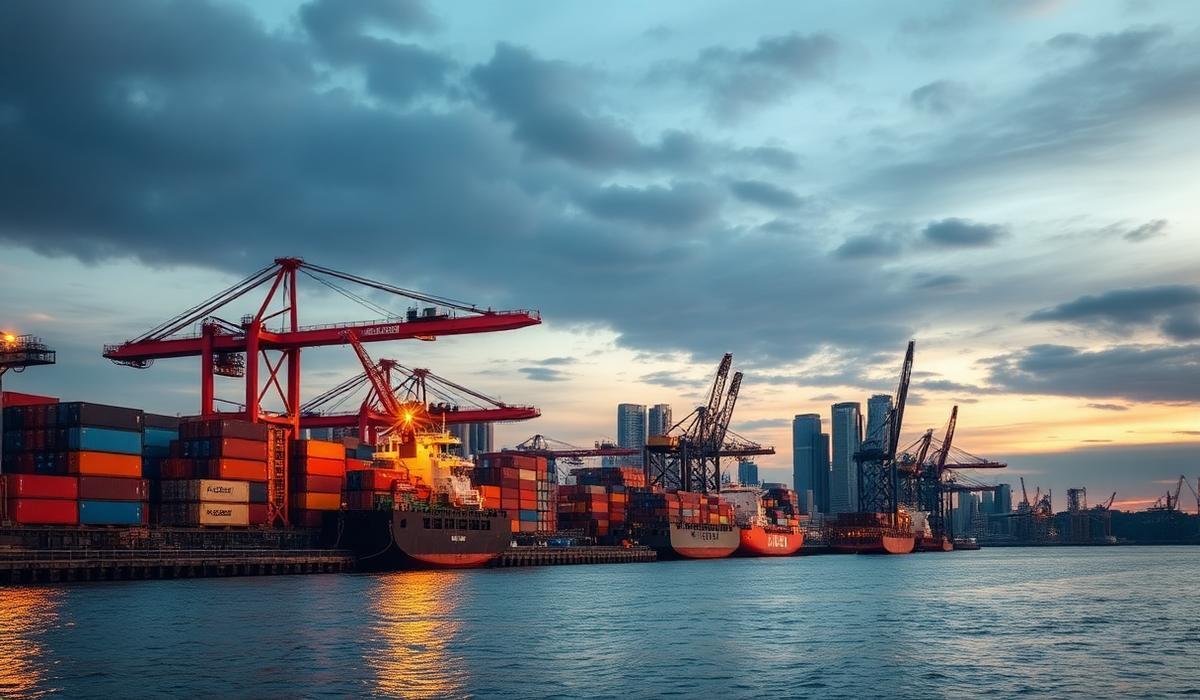
The global trade map looks different than it did five years ago. Mexico has overtaken China as the United States' largest trading partner. Vietnam's exports to the US have nearly doubled. India is quietly consolidating its position as the world's electronics assembly alternative. The story is not deglobalization - it is rerouting.
Why the map is shifting
Three forces are at work simultaneously: targeted tariff regimes (particularly between the US and China), corporate resilience strategies built after the 2020–2022 supply chain shocks, and new industrial policy in the United States and European Union that subsidizes domestic and allied production of strategic goods.
- US imports from China fell from 21% of total imports in 2017 to ~13% in 2024.
- Mexico's share of US imports rose to 16% - the largest single source.
- Vietnam, Taiwan, India and South Korea collectively gained share comparable to China's loss.
The nearshoring winners
Mexico
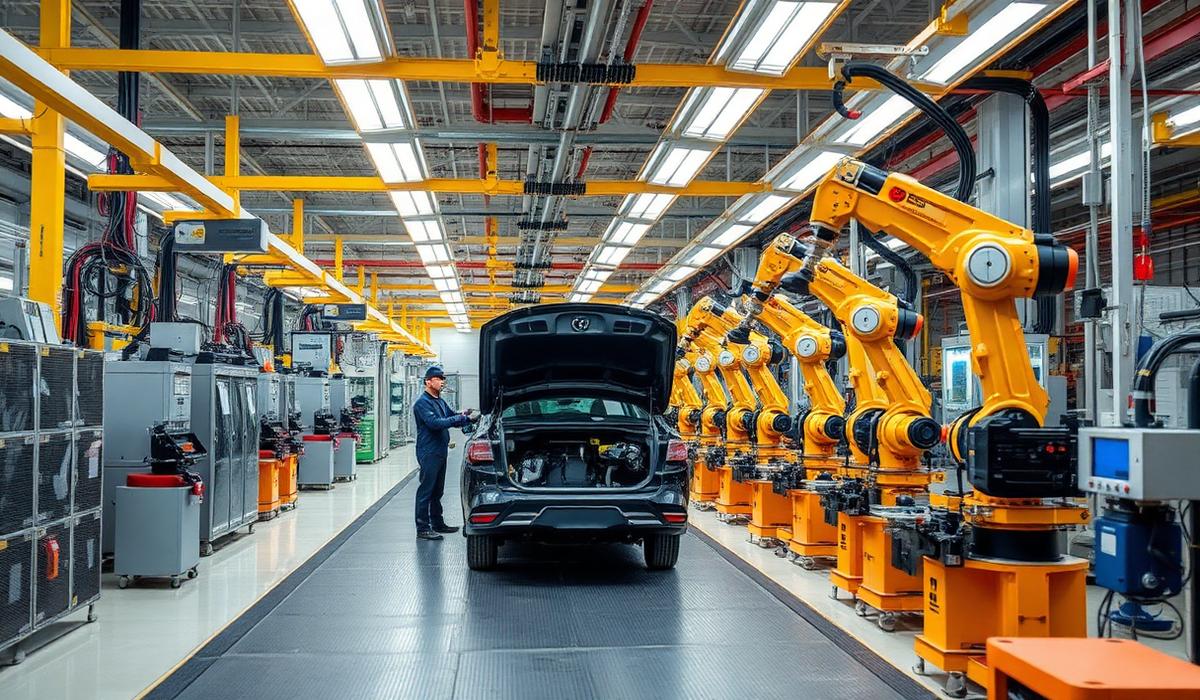
Auto manufacturing, electronics assembly and medical devices have driven a manufacturing renaissance. Industrial real estate vacancy in northern Mexico is at multi-decade lows. The constraint is no longer demand - it is electrical grid capacity, water and skilled labor pipelines.
Vietnam and India
Vietnam has captured the largest share of low-end electronics that left China. India is moving up the value chain, with Apple's iPhone production in India crossing 14% of global volume in 2024 and on track for 25% by 2027.
Poland and Eastern Europe
European nearshoring favors Poland, Hungary and Romania for automotive and industrial production. EV battery plants and semiconductor supply chain investments are clustering across the region.
What this means for investors
- Industrial real estate in nearshoring corridors has structural tailwinds.
- Logistics, ports and freight rail beneficiaries are underappreciated equity stories.
- Multinational margins face pressure from higher landed costs and capex requirements.
The risk no one is pricing
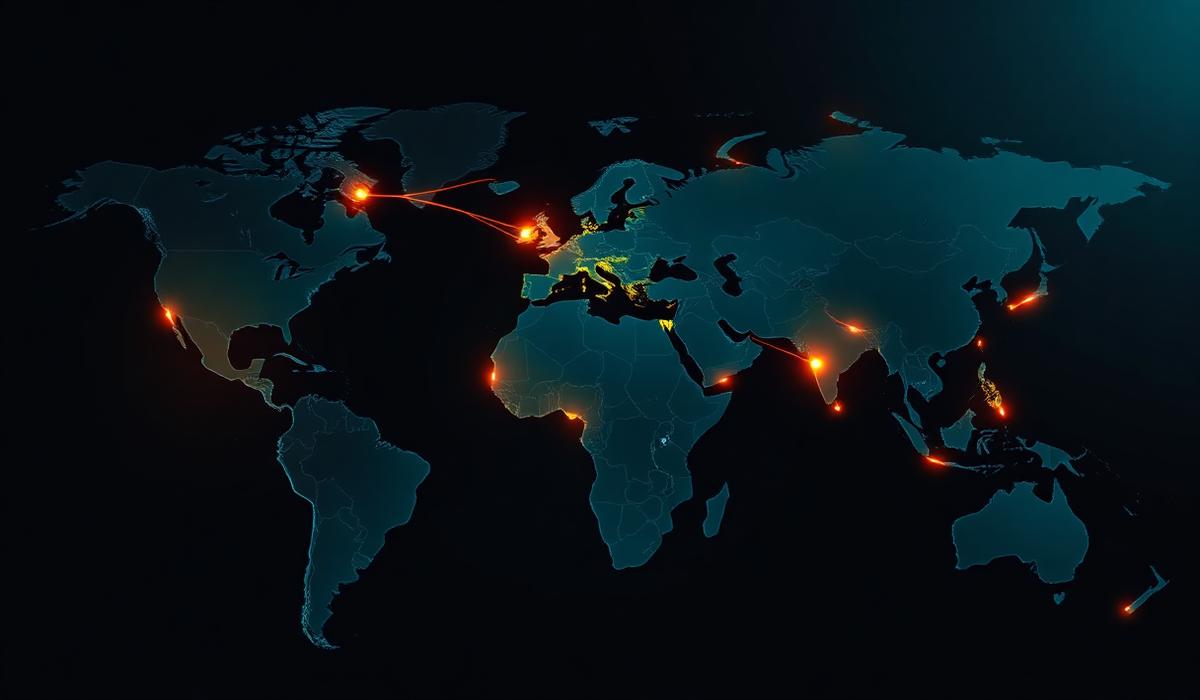
Concentration in any single new hub creates the same fragility the old map had. Mexico's grid, Vietnam's port capacity and India's logistics infrastructure are the chokepoints to watch. The next supply-chain shock will probably look different from the last one - but it will not look like nothing.
Frequently Asked Questions
Is the world deglobalizing?
Not really. Total trade volumes remain near record highs. What's changing is the routing - production is shifting away from China to Mexico, Vietnam, India and Eastern Europe.
Who are the biggest winners from nearshoring?
Mexico is the largest US-side beneficiary, with Vietnam, India and Poland leading regional gains for the US and EU respectively.
How do tariffs affect consumers?
Tariffs primarily compress importer and retailer margins in the short run, with pass-through to consumer prices varying widely by product category and competition intensity.