Car Insurance Rates 2026: Why US Premiums Are Up 22% and 10 Proven Ways to Cut Yours
US car insurance rates rose about 22% over the last 18 months - the sharpest sustained increase in a generation. Full 2026 US guide: the six reasons premiums exploded, the coverage limits every driver should actually carry, state-by-state snapshot, and 10 proven ways to cut $300-$1,200 off your annual premium.
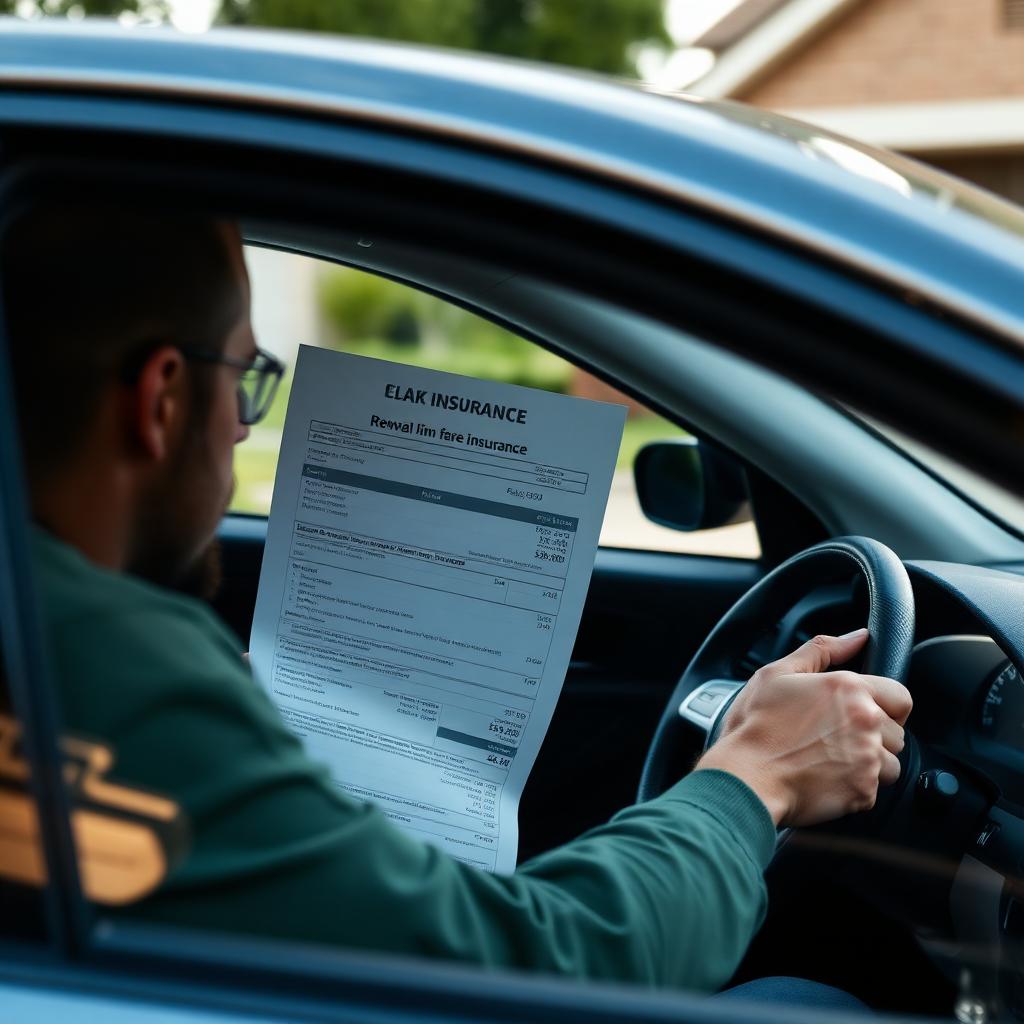
If your car insurance premium jumped 20-40% at your last renewal, you are not being singled out. Average US auto insurance rates rose approximately 22% over the last 18 months according to the Bureau of Labor Statistics and industry filings tracked by the NAIC - the sharpest sustained increase in a generation. In some states (Florida, California, Nevada, Michigan, New York) the average full-coverage policy now exceeds $2,800 per year, and in a handful of ZIP codes it exceeds $4,500. There is a specific cluster of reasons - and there are specific, actionable steps most US drivers can take right now to cut their premium by $300-$1,200 per year without dropping coverage they actually need.
This is the complete 2026 US guide to car insurance rates: why premiums have exploded, how the rating system actually works, the coverage levels you should carry, and the ten proven levers you can pull today to cut your cost. Every number reflects the current 2026 market and is drawn from state-level Department of Insurance filings, NAIC rate reports, and disclosures from the top ten US carriers.

Why Car Insurance Rates Are Up 22%
The rate spike is not one thing - it is the compounding of six things, each moderate on its own but savage together.
1. Vehicle repair costs are up 40%+ since 2020
Modern vehicles are rolling computers. A 2015 Toyota Camry bumper replacement was a $500 body shop job. The 2024 equivalent - with radar sensors, forward-collision cameras, and adaptive cruise hardware embedded in the bumper - is a $2,500-$4,000 job that requires factory calibration after installation. Parts shortages from post-COVID supply chain disruption have not fully normalized. The result: the average auto insurance claim now costs insurers roughly 40% more to settle than it did in 2019.
2. Medical costs on injury claims are up sharply
Bodily injury liability claims - the coverage that pays when you injure someone in a crash - are settling for meaningfully higher amounts due to medical cost inflation, wage inflation on lost-earnings settlements, and 'social inflation' (rising jury verdicts and plaintiff-side litigation activity). Some carriers now cite social inflation as a larger driver of loss costs than physical damage inflation.
3. Severe weather claims are up dramatically
Comp claims from hail, flood, wildfire, and hurricane damage have exploded in Florida, Texas, Colorado, and the Gulf states. In Florida specifically, hurricane damage to vehicles compounded a legal environment that made insurance profoundly unprofitable, causing multiple carriers to exit the state entirely.
4. Vehicle theft is at multi-decade highs
Hyundai and Kia thefts driven by the 'Kia Boys' TikTok trend produced hundreds of thousands of stolen vehicles nationally over 2022-2024. Catalytic converter theft surged. In some urban ZIP codes, theft-related comprehensive claims have doubled or tripled.
5. Loss ratios pushed carriers into rate action
The industry combined ratio (losses plus expenses divided by premiums) exceeded 105% for several years running - meaning insurers paid out more than they collected in premiums. State insurance commissioners were forced to approve rate increases that in normal years would have been rejected. Those approved increases are now flowing through renewals.
6. Reinsurance costs rose
Global reinsurance capacity tightened after several years of catastrophe losses, raising the cost that primary auto insurers pay to reinsure their books - a cost that gets passed to policyholders.

How Auto Insurance Rating Actually Works
Your premium is not one number - it is a formula built from roughly a dozen inputs, each with a rating factor that multiplies your base premium up or down. Understanding the inputs is the first step to cutting them.
- Location (garaging ZIP code) - the single largest rating factor, based on local claim frequency, theft rates, and repair costs
- Driving record - moving violations, at-fault accidents, and DUIs raise rates for 3-7 years depending on state and severity
- Credit-based insurance score - legal in most states, uses a modified credit score to predict claim likelihood. Not the same as your FICO score but drawn from similar data
- Age and gender - young drivers (under 25) and older drivers (75+) pay more, and some states allow gender rating
- Marital status - married drivers get modest discounts in most states
- Vehicle make, model, year, trim - a base Honda Civic is dramatically cheaper to insure than a fully-loaded BMW M3, driven by repair costs and theft rates
- Annual mileage - lower reported mileage means lower premium, verified by carrier telematics or odometer readings
- Coverage limits and deductibles - the biggest lever the driver actually controls
- Prior insurance and coverage lapses - going uninsured even briefly can trigger a rate penalty for 3-5 years
- Homeownership - homeowners typically pay less than renters, an oddly durable rating factor
The Coverage Levels Every US Driver Should Actually Carry
State minimum liability limits are almost always dangerously inadequate. Florida requires only $10,000 of property damage liability and no bodily injury liability at all. California minimums are $15,000/$30,000/$5,000. A single moderate injury accident can produce medical bills of $100,000-$500,000, and the injured party will absolutely sue you for the difference between your policy limits and their damages - putting your home, wages, and retirement accounts at risk.
Recommended minimum coverage levels for a US household with any real assets
- Bodily injury liability: $100,000 per person / $300,000 per accident (100/300) minimum, $250/500 preferred
- Property damage liability: $100,000 minimum
- Uninsured/underinsured motorist bodily injury: match your liability limits (100/300 or higher)
- Personal injury protection (PIP) / medical payments: state-required amount, $5,000-$10,000 in no-fault states
- Collision: keep if the car is worth more than 10x your deductible; drop on vehicles worth under $3,000
- Comprehensive: keep in high-theft or severe-weather areas even on older vehicles; drop on vehicles worth under $2,000
- Umbrella policy: $1M-$2M sitting above your auto and home liability limits, typically $200-$400/year - the single best asset-protection dollar most middle-class households spend
Ten Ways to Cut Your Car Insurance Premium in 2026
1. Comparison shop every 12 months
Rates for identical coverage vary 40-70% between carriers for the exact same driver. Get quotes from at least four insurers - a mix of national carriers (Geico, Progressive, State Farm, Allstate), direct writers (USAA if eligible, Erie in the Northeast), and regional carriers - every 12 months at renewal. Independent agents work with multiple carriers and can shop rates in one appointment. Comparison shopping is the single most effective rate-cutting tool available.
2. Raise your collision and comprehensive deductibles
Raising your deductible from $500 to $1,000 typically cuts your collision plus comp premium by 15-25%. Raising to $2,000 can cut it another 10%. Do the math: if your annual savings is $250 and you file a claim once every 8 years, you come out ahead by roughly $2,000 over a decade. Only raise the deductible as high as you can comfortably pay from your emergency fund.
3. Enroll in usage-based / telematics insurance
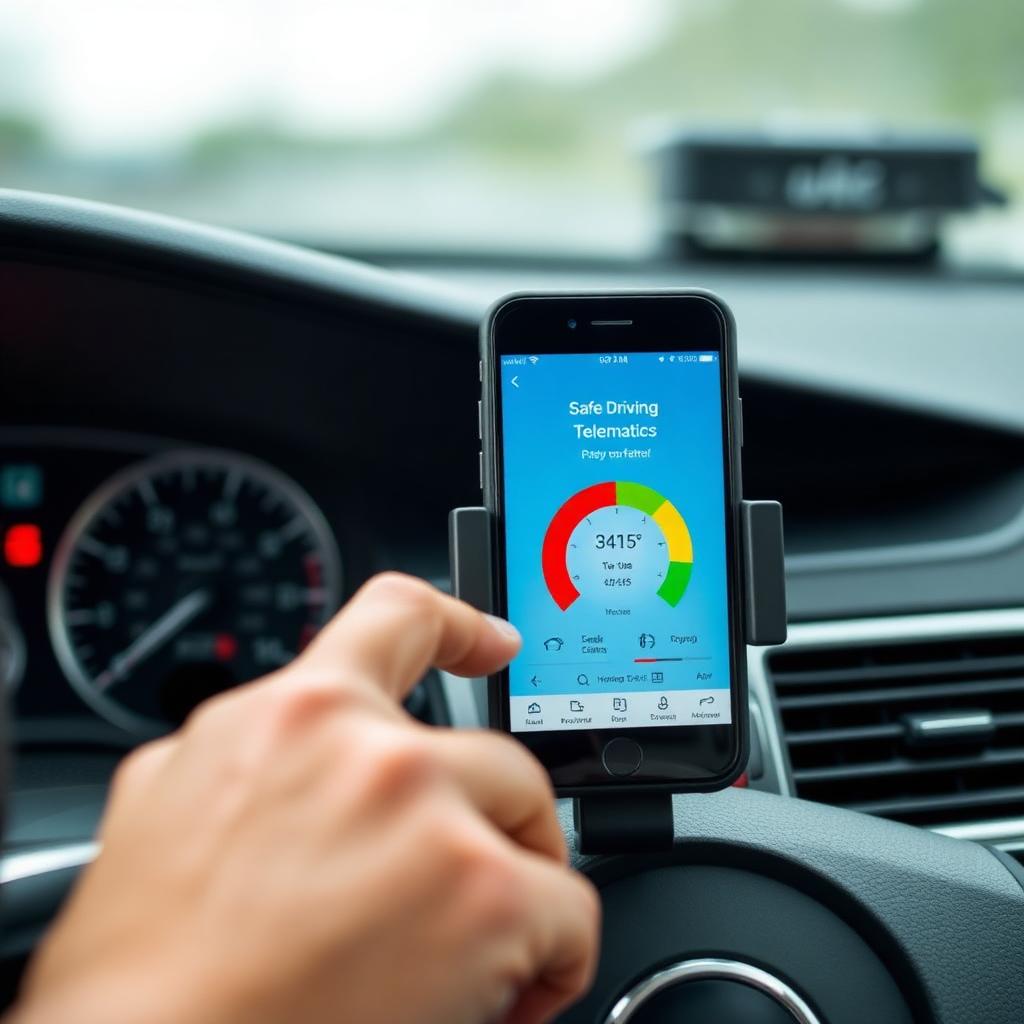
Programs like Progressive Snapshot, Allstate Drivewise, State Farm Drive Safe & Save, and Root track your driving through a phone app or plug-in device. Safe drivers routinely earn 10-40% discounts. If you drive under 10,000 miles/year and generally drive during off-peak hours without hard braking or late-night trips, you almost certainly benefit. Aggressive drivers can actually see rate increases, so read the fine print - about 5% of programs will surcharge you rather than discount.
4. Bundle auto with home or renters insurance
Bundling auto with home or renters insurance at the same carrier typically saves 10-25% on the combined premium. The largest bundle discounts are at State Farm, Allstate, Farmers, USAA, and Nationwide.
5. Improve your credit-based insurance score
In every state except California, Hawaii, Massachusetts, and Michigan, your credit history influences your auto insurance rate. Paying down credit card balances (which improves your utilization ratio), disputing errors on your credit report at AnnualCreditReport.com, and avoiding new credit applications in the six months before renewal can meaningfully lower your rate. See our credit card debt payoff guide for the full playbook.
6. Report accurate (usually lower) annual mileage
Many drivers report inflated mileage from an old commute they no longer make. If you now work hybrid or fully remote, update your annual mileage with your insurer - a drop from 15,000 to 7,500 miles/year commonly cuts premiums 5-15%.
7. Ask about every applicable discount
Common discounts most drivers do not claim: good student (under-25 with B+ average), defensive driving course completion (typically a $15-$40 online course, 5-10% discount for 3 years), paperless billing, pay-in-full, autopay, professional/alumni association affiliation, military, federal employee, teacher, and multi-vehicle discounts.
8. Drop unnecessary add-ons
Rental car reimbursement ($15-$30/year) is worth it. Roadside assistance from your auto insurer is usually a bad deal if you already have AAA or a manufacturer roadside program. Gap insurance is only necessary if you owe more than your car is worth (typically the first 2-3 years of a new-car loan).
9. Fix moving violations before they show up
Ask your court whether traffic school is an option - completing a state-approved traffic school course often keeps a moving violation off your insurance record (though it will still appear on your DMV record). Even one moving violation can raise premiums 15-25% for three years.
10. Consider a smaller / cheaper-to-insure vehicle
Vehicle choice is the biggest lever most drivers underestimate. A Honda Civic, Toyota Corolla, Subaru Outback, or Mazda CX-5 costs dramatically less to insure than a BMW, Tesla, luxury SUV, or high-performance vehicle. If you are shopping for your next car, check three or four insurance quotes on the models you are considering before you sign.
State-by-State Rate Snapshot
Rates vary dramatically by state due to state law (no-fault vs tort states, PIP requirements), weather, urban density, and litigation environment. The five most expensive states for full-coverage auto insurance in 2026: Florida (~$3,200/year avg), Louisiana (~$3,100), Michigan (~$2,900), Nevada (~$2,700), Colorado (~$2,600). The five cheapest: Vermont (~$1,050/year avg), Maine (~$1,150), Idaho (~$1,200), New Hampshire (~$1,250), Ohio (~$1,300). If you are moving, run new-state quotes before you finalize the move - a $2,000/year insurance jump has to be part of the moving math.

A Note on Florida, California, and 'Insurance Deserts'
If you live in Florida, coastal California, hurricane-prone Gulf coast, or a high-wildfire-risk zone in the West, you may be finding that carriers are simply refusing to write new business. This is not a comparison-shopping problem - it is a genuine market withdrawal. Options for hard-to-place drivers include the state-run FAIR plan (for property), the state auto insurance plan (for auto), specialty carriers who focus on high-risk business (with correspondingly higher premiums), and reassessment of whether your specific coverage structure (deductibles, comp/collision) needs to be adjusted for the market. Our Florida insurance crisis coverage and parametric insurance analysis both go deep on this issue.
Bottom Line
Auto insurance premiums are up 22% for real reasons - repair inflation, medical claim severity, weather losses, theft, and reinsurance costs - and most of those factors will persist through 2026 and beyond. But the range of premiums that different American drivers pay for the same coverage on the same car in the same ZIP code is enormous. Comparison shopping every 12 months, adjusting deductibles thoughtfully, enrolling in a telematics program if you are a safe driver, and dropping collision and comp coverage on old vehicles routinely produces $500-$1,500 of annual savings without meaningfully reducing your protection.
What you should not do is respond to a big rate increase by dropping to state-minimum liability limits. State minimums are almost always dangerously low, and a single serious accident can wipe out decades of savings. Cut your premium on the levers you control - deductibles, discounts, carrier choice, mileage - not by exposing your household to catastrophic uninsured liability. And if you have not priced an umbrella policy, do it this week - it is often the highest-return asset-protection dollar a middle-class US household will ever spend.
Frequently Asked Questions
Why did my car insurance go up if I have no claims?
Rates are set by aggregate loss experience in your ZIP code and state, not just your personal claims history. Repair cost inflation, weather losses, theft rates, and rising bodily injury settlements all raise the base rate for every driver. Even accident-free drivers with perfect records have seen 15-40% renewal increases.
What is the cheapest car insurance in 2026?
It varies dramatically by driver profile and state. USAA is consistently cheapest for eligible military-affiliated drivers. Geico, Progressive, State Farm, and Erie compete for the lowest rates in most states. The only way to know the cheapest for YOUR profile is to get quotes from at least four carriers - rates for identical coverage vary 40-70%.
Does credit score affect car insurance?
Yes, in every US state except California, Hawaii, Massachusetts, and Michigan. Insurers use a credit-based insurance score derived from your credit report to predict claim likelihood. Improving your credit utilization ratio and disputing report errors before renewal can meaningfully lower your premium.
Should I raise my car insurance deductible?
Usually yes if you have an emergency fund that can absorb the higher deductible. Raising collision/comp deductible from $500 to $1,000 typically cuts that portion of the premium by 15-25%. Only raise it as high as you can comfortably pay out of pocket without borrowing.
Do I need collision and comprehensive coverage on an old car?
Rule of thumb: drop collision when the annual premium exceeds 10% of the car's actual cash value. Drop comp coverage when the vehicle is worth under $2,000-$3,000, unless you live in a high-theft or severe-weather area where the comp claim probability is high enough to justify keeping it.
What is umbrella insurance and do I need it?
An umbrella policy provides $1M-$2M+ of liability coverage above your auto and home policy limits, typically for $200-$400/year. It is one of the highest-return dollars a middle-class household spends - a single serious accident can produce a judgment far exceeding standard auto liability limits, and umbrella protects your home, wages, and retirement accounts from that exposure.
Sources
- NAIC (National Association of Insurance Commissioners) https://content.naic.org/
- Insurance Information Institute Auto Insurance Facts https://www.iii.org/fact-statistic/facts-statistics-auto-insurance
- Bureau of Labor Statistics CPI - Motor Vehicle Insurance https://www.bls.gov/cpi/
- National Highway Traffic Safety Administration (NHTSA) https://www.nhtsa.gov/
According to our editorial policy, every source link above was opened and checked against the claim it supports on .