Stablecoin Cross-Border Payments in 2026: The Complete Guide to USDC, USDT, and the Death of the Wire Transfer
Stablecoins moved more than $46 trillion last year. In 2026, after the GENIUS Act and FinCEN's new rules, USDC and USDT have become the cheapest, fastest way to move dollars across borders - for freelancers, remitters, and businesses alike.
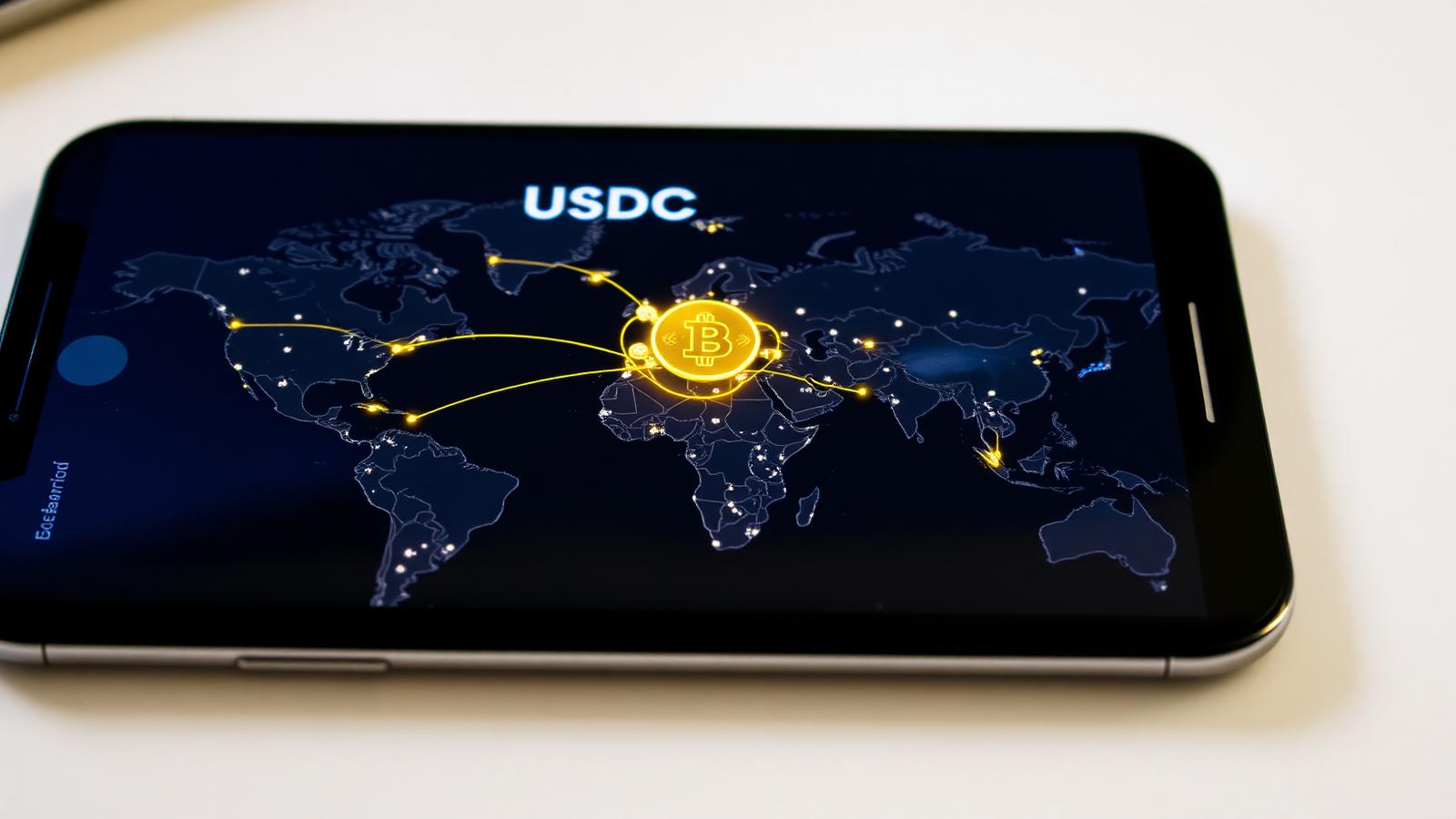
If you sent a wire transfer in 2015, you remember the ritual: a trip to the bank, a stack of forms, a $45 fee, and a three-to-five-business-day wait while your money sat in correspondent-bank limbo. In 2026, hundreds of millions of people skip that ritual entirely. They open a wallet on their phone, scan a QR code, and the recipient on the other side of the world has the funds - denominated in dollars - in under two minutes. The cost is often less than a single cent.
That shift is being driven by stablecoins. Once dismissed as a crypto-native curiosity used mainly to park funds between trades, stablecoins have quietly become the most consequential payment rail of the decade. The aggregate market capitalization crossed $321 billion in April 2026, according to industry data tracked by Stablecoin Insider, with annual transaction volume now rivaling the world's largest card networks. Visa processed roughly $15 trillion in payments last year. Stablecoin transfer volume, after stripping out internal exchange settlement, is now in the same league.
This pillar guide explains what changed, why it changed, and - most importantly - how individuals, freelancers, e-commerce sellers, and small businesses can use stablecoins for cross-border payments and remittances today, in 2026, without being a crypto expert.
What a stablecoin actually is - in one minute
A stablecoin is a token that lives on a blockchain (most commonly Ethereum, Solana, Tron, Base, or Polygon) and is designed to maintain a 1:1 peg with a reference asset, almost always the U.S. dollar. The two largest issuers - Tether (USDT) and Circle (USDC) - back each token with a reserve of cash, short-duration U.S. Treasuries, and overnight repurchase agreements. When you redeem 100 USDC with Circle, you get $100. When you transfer 100 USDC to a friend, the blockchain ledger updates in seconds and the recipient holds something that, for all practical purposes, is a dollar.
That last part is what changed everything. The dollar can now move at the speed of email, 24/7, without correspondent banks, without SWIFT messaging fees, and without business hours. Whether you are paying a developer in Buenos Aires, settling an invoice with a supplier in Shenzhen, or sending money home to family in Lagos, the transfer settles before your coffee gets cold.
Why 2025–2026 was the inflection point
Three forces converged. First, the GENIUS Act, signed into law in 2025, gave the U.S. its first complete federal framework for payment stablecoins. The law mandates 1:1 reserves in cash and short-duration Treasuries, requires monthly attestations, and limits issuance to federally regulated entities. That removed the single largest concern enterprise treasurers had: regulatory ambiguity. In April 2026, FinCEN and OFAC followed up with a joint proposed rule extending Bank Secrecy Act obligations to stablecoin issuers - a step that, paradoxically, accelerated mainstream adoption by giving banks legal cover to integrate.
Second, infrastructure matured. Layer-2 networks like Base and Arbitrum, plus high-throughput Layer-1s like Solana, drove average transaction costs below one cent. Wallet UX caught up: apps like Phantom, MetaMask Mobile, and integrated experiences inside Cash App, PayPal, and Robinhood made it possible to send dollars across borders without ever seeing a 'gas fee' prompt or a 64-character wallet address.
Third, the cohort that grew up with Venmo and PIX hit the workforce. For a 28-year-old freelance designer in Lisbon working with a client in Toronto, paying a $45 wire fee on a $600 invoice is not a minor friction - it is a 7.5% tax on her labor. Stablecoins, at fractions of a cent per transfer, are not a marginal improvement. They are a different category of product.
USDC vs USDT: which stablecoin should you actually use?
In raw market share, USDT (Tether) still leads, with approximately $183.6 billion in circulation as of Q2 2026. USDC (Circle), at roughly $75.3 billion, has been the faster grower - up 72% year over year, according to Q1 2026 market data, as institutions and U.S.-regulated entities default to it for compliance reasons. For most cross-border use cases, the practical answer comes down to where you live and which corridor you're using.
- Use USDC if you are in the U.S., EU, U.K., Canada, Australia, or Singapore, or if your counterparty is a regulated business that wants attestations and a clear redemption pathway with Circle. USDC is also the default on Coinbase, Stripe, Robinhood, and most U.S. fintechs.
- Use USDT if you are in Latin America, Africa, the Middle East, Southeast Asia, or anywhere with a deep local crypto-to-cash market. USDT's deeper liquidity at neighborhood exchanges and OTC desks often means tighter spreads when converting to local currency.
- Avoid algorithmic 'stablecoins' that don't disclose their reserves. The collapse of TerraUSD in 2022 was a $40 billion lesson; under the GENIUS Act, only fully reserved tokens qualify as 'payment stablecoins' and only those should be considered for actual payments.
Use case 1: Freelancers and remote workers
Take a concrete example. A graphic designer in Manila invoices a U.S. agency $2,400 for a month of work. Through a traditional payment platform, the agency pays a 3.5% transaction fee plus a $5 wire surcharge, the funds take 3–5 business days, and the local bank in the Philippines applies a 1.5% currency conversion margin on top of the official rate. Total leakage: roughly $145, or about 6% of the invoice.
Through a stablecoin payment, the agency sends 2,400 USDC on Base. The transfer costs the agency about $0.02 in network fees and arrives in the designer's wallet in under 30 seconds. She converts to Philippine pesos through a local exchange like Coins.ph or PDAX at near-spot rates - typically a 0.3% spread - and withdraws to her bank account or GCash in minutes. Total leakage: roughly $8 to $15, or under 0.6%.

Multiplied across millions of remote workers in the Philippines, India, Pakistan, Argentina, Nigeria, and Vietnam, the savings are not theoretical. World Bank data show the global average remittance fee was 6.4% in 2024. Stablecoin corridors routinely clear at under 1% all-in, returning tens of billions of dollars per year to workers who earn it.
Use case 2: Cross-border remittances
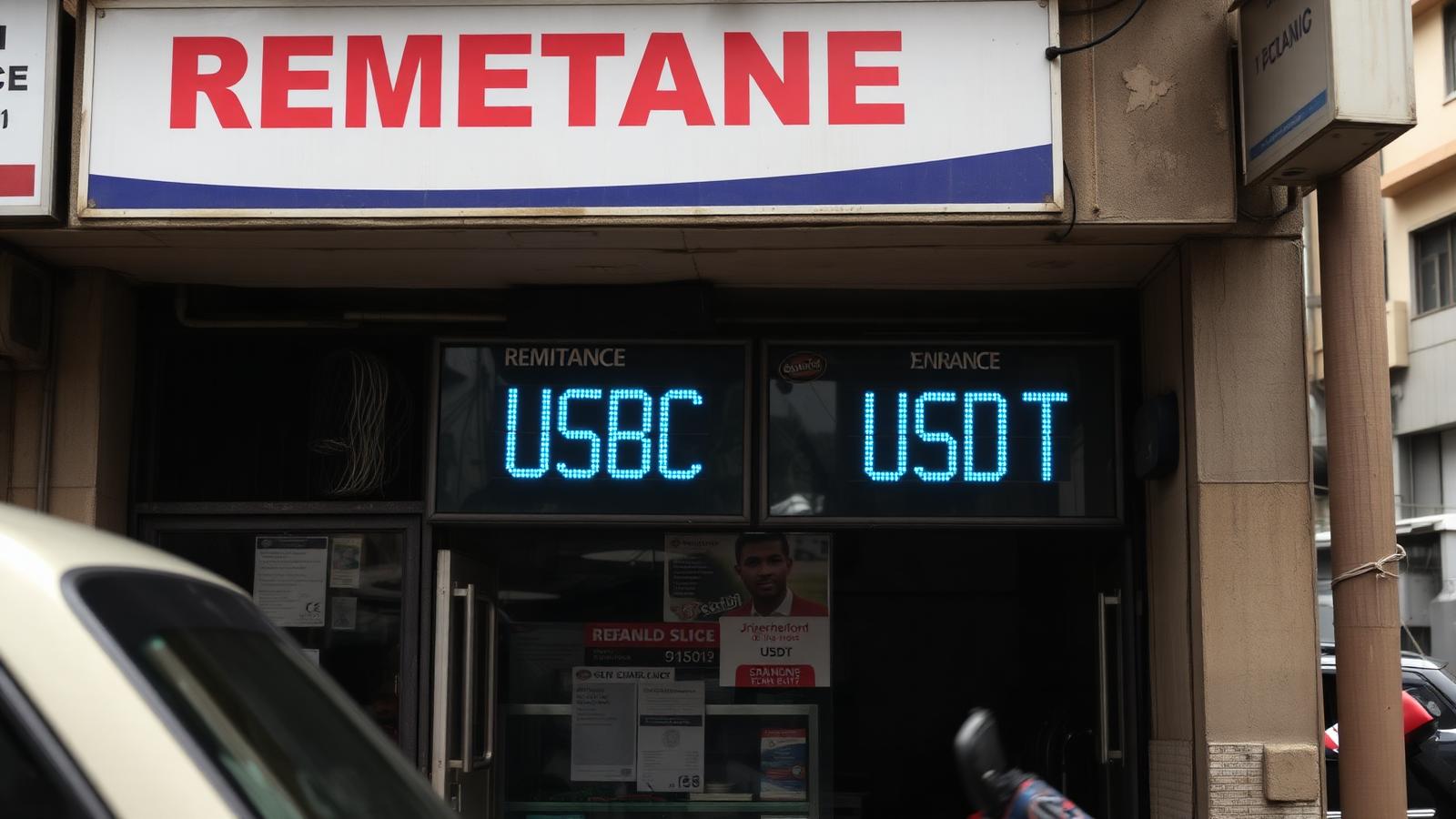
The remittance corridor is where stablecoins arguably deliver their most consequential social value. Consider the U.S.-to-Mexico corridor - the largest in the world at over $63 billion annually. A $300 transfer through a traditional remittance company costs $7 to $12 in upfront fees, plus an FX margin of 1–3% on the conversion to pesos. The same $300 sent as USDT on Tron costs the sender roughly $0.50 in network fees, arrives in the recipient's wallet in under a minute, and converts to pesos at the local Bitso or Volabit exchange at a 0.5% spread.
In Argentina, where official inflation has run above 100% for multiple years, USDT functions as a parallel savings currency. A 2024 study by Chainalysis found that Argentina is one of the top three countries in the world by stablecoin transaction volume per capita. People are not speculating - they are protecting their savings from peso depreciation, paying for international subscriptions, and receiving payment for freelance work in a currency that does not lose 5% of its value while sitting in a checking account.
Use case 3: E-commerce and small business payments
For e-commerce sellers, particularly those operating across borders on platforms like Shopify, Etsy, or independent storefronts, stablecoin checkout is now a meaningful option. Shopify rolled out native USDC payments via Stripe in late 2025; Stripe processed over $14 billion in stablecoin payments in the year following its acquisition of Bridge. Customers see a familiar 'Pay with crypto' option at checkout, the merchant receives USDC, and Stripe optionally auto-converts to local currency at competitive rates.
The merchant economics are compelling. Card processing fees average 2.9% plus $0.30 per transaction. Stablecoin checkout, depending on the processor, runs 0.5% to 1% all-in, with no chargebacks (blockchain transactions are final). For a small business doing $500,000 in annual cross-border sales, the difference can be $10,000 to $15,000 per year in retained margin.
Step-by-step: how to send your first stablecoin payment in 2026
If you have never used a stablecoin, the entire process - start to finish - takes about 15 minutes the first time and under 60 seconds every time after. Here is the most beginner-friendly path.
Step 1: Pick a wallet or fintech app
For absolute beginners, the simplest entry points are PayPal (which supports PYUSD and now USDC), Cash App, Coinbase, or Robinhood. All four let you buy and send USDC with a debit card or bank transfer in a few taps. If you want a self-custody wallet - meaning you, not a company, control the keys - Phantom (best for Solana) and MetaMask Mobile (best for Ethereum, Base, Arbitrum) are the standards.
Step 2: Fund the wallet
Link a bank account or debit card and buy USDC directly. On Coinbase, USDC trades 1:1 with USD with no fee on conversion. Avoid using a credit card if possible - the cash-advance fees most card issuers apply make this the most expensive way to acquire stablecoins.
Step 3: Get the recipient's address - and confirm the network
This is the single step where new users lose money. A blockchain address is a long string of letters and numbers that looks like '0x742d35Cc6634C0532925a3b844Bc9e7595f0bEb1'. Stablecoins exist on multiple networks (Ethereum, Base, Solana, Tron, Polygon), and you must send on the same network the recipient is using. Sending USDC on Ethereum to a Tron-only address means the funds are typically unrecoverable. Always confirm the network - Base and Solana are now preferred for low fees.
Step 4: Send a $1 test transaction first
For any new recipient, send $1 first. Confirm receipt. Then send the full amount. This habit, borrowed from professional treasury operations, has saved more crypto users from costly errors than any other piece of advice.
Step 5: Recipient converts to local currency
In most countries, the recipient sells USDC for local currency on a regulated exchange (Bitso in Mexico, Coins.ph in the Philippines, Yellow Card in Africa, Bitvavo in Europe) and withdraws to their bank account. The full round trip - sender clicks 'send' to recipient seeing pesos, naira, or rupees in their bank - typically takes under 10 minutes.
Regulation: the GENIUS Act and what it means for you
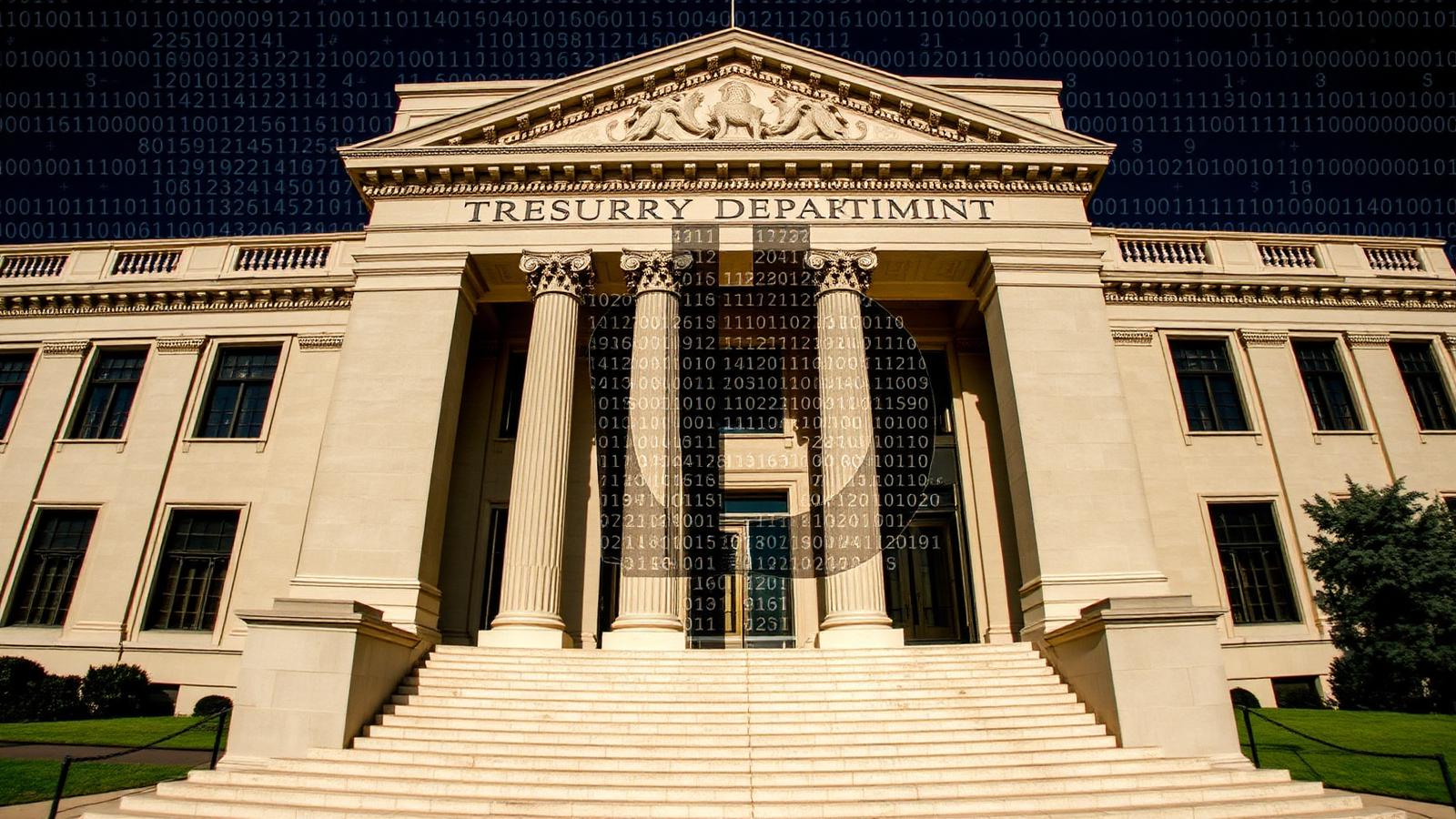
The Guiding and Establishing National Innovation for U.S. Stablecoins Act (GENIUS Act) became law in 2025 and represents the first complete federal stablecoin framework in the world's largest economy. For users, the practical implications are reassuring.
- Issuers must hold 1:1 reserves in cash, insured deposits, or U.S. Treasury bills with maturity under 93 days. No more 'commercial paper' or unaudited reserves.
- Monthly attestations from a registered public accounting firm are mandatory, with full annual audits.
- Only federally chartered banks, OCC-supervised non-banks, or state-regulated entities meeting equivalent standards may issue payment stablecoins for U.S. distribution.
- Algorithmic and yield-bearing stablecoins are explicitly excluded from the 'payment stablecoin' category, addressing the regulatory gap that allowed TerraUSD's 2022 collapse.
- FinCEN's April 2026 proposed rule extends Bank Secrecy Act obligations - KYC, transaction monitoring, suspicious-activity reporting - to all U.S.-regulated stablecoin issuers.
In short: if you use USDC, PYUSD, or any stablecoin issued by a U.S.-regulated entity, the regulatory backstop is now comparable to a bank deposit. Tether (USDT), as a non-U.S. issuer, sits outside this framework - which is fine for international users but means U.S. fintechs and banks are increasingly defaulting to USDC.
Risks you should actually worry about
Stablecoins are not risk-free, and a guide that pretends otherwise is doing readers a disservice. The legitimate risks fall into four buckets.
1. Sending to the wrong address or wrong network
This is the largest source of preventable losses. Always copy-paste addresses, always send a $1 test, always confirm the network. Wallet apps in 2026 do a much better job warning users, but the responsibility ultimately sits with the sender.
2. Phishing and social engineering
Scammers impersonate exchanges, wallet support, and even friends. No legitimate company will ever ask for your seed phrase. No legitimate company will ask you to send crypto to 'verify' an account. If a deal sounds too good to be true, it is.
3. Issuer or reserve risk
In theory, a stablecoin issuer could fail or its reserves could be frozen. The GENIUS Act's reserve requirements and attestation regime substantially reduce this risk for U.S.-regulated coins. For USDT, the disclosure regime is improving but remains less stringent than for USDC. Most pragmatic users diversify between USDC and USDT for large balances.
4. Local regulatory risk
Some countries restrict or ban crypto-to-fiat conversion. Always verify your local law before relying on a stablecoin corridor for income. The list of countries with friendly frameworks expands each year - as of 2026, the EU (under MiCA), the U.K., Singapore, the UAE, Brazil, Mexico, the Philippines, and most of West Africa have clear, workable rules.
What's next: stablecoin payroll, AI agents, and the death of the wire transfer
The most consequential developments of 2026 are not visible to consumers yet. Three are worth tracking. First, payroll: companies like Deel, Rise, Toku, and Bitwage now process stablecoin payroll for over a million workers across 150+ countries, with employer dashboards that handle local tax compliance automatically. Second, agentic AI payments: AI agents that can autonomously settle micropayments for API calls, content licensing, and machine-to-machine commerce now use stablecoin rails almost exclusively. Third, the gradual extinction of correspondent banking: the Bank for International Settlements estimates that stablecoin rails handled approximately $4 trillion in B2B cross-border payments in 2025, displacing a measurable share of SWIFT volume for the first time.
Whether you are a freelancer in Manila, a small e-commerce seller in Lisbon, or a corporate treasurer in Frankfurt, the practical upshot is the same: in 2026, the cheapest, fastest, and most reliable way to move dollars across borders no longer involves a bank. It involves a stablecoin. The remaining question is not whether you will use one; it is when, and which app finally makes it invisible enough that you stop thinking about the rails at all.
Frequently Asked Questions
Are stablecoin payments legal in the United States?
Yes. Under the GENIUS Act of 2025, payment stablecoins issued by U.S.-regulated entities (Circle's USDC, PayPal's PYUSD, and others) are explicitly recognized as legal payment instruments. Sending and receiving them is legal for both consumers and businesses, subject to standard income-reporting and Bank Secrecy Act obligations.
What is the difference between USDC and USDT for cross-border payments?
USDC, issued by Circle, is fully U.S.-regulated under the GENIUS Act, with monthly attested reserves of cash and short-term Treasuries. USDT, issued by Tether, has greater global liquidity - particularly in Latin America, Africa, and Asia - but is not issued under U.S. federal regulation. For U.S. and EU users, USDC is the default. For international remittances and emerging-market corridors, USDT often has tighter local spreads.
How much does it cost to send a stablecoin payment internationally?
On Base or Solana, network fees are typically under $0.01 per transfer regardless of amount. Total all-in cost - including buying USDC, sending it, and the recipient converting to local currency - usually runs 0.3% to 1% of the transfer amount, compared to 4% to 8% for traditional remittance services.
Can my employer pay my salary in stablecoins?
Yes. Platforms like Deel, Rise, and Bitwage support compliant stablecoin payroll in over 150 countries, handling local tax withholding and reporting. In the U.S., wages paid in stablecoins are taxable as ordinary income at fair market value on the date of receipt, identical to wages paid in dollars.
What happens if I send a stablecoin to the wrong address?
Blockchain transactions are final. If you send to a valid address you do not control, the funds are lost. If you send to an invalid address, they may be unrecoverable. Always send a $1 test transaction first to any new recipient, and always confirm you are using the correct network (Ethereum, Base, Solana, Tron, etc.).
Are stablecoins safe to hold long-term?
For payments and short-term holding, U.S.-regulated stablecoins like USDC are now backed by the same kind of reserve - cash and short-term Treasuries - as a money market fund. They do not pay interest directly to the holder. For long-term savings, traditional high-yield savings accounts or money market funds typically offer better risk-adjusted returns.
Do I need to report stablecoin transactions on my taxes?
In the U.S., yes. The IRS treats stablecoins as digital assets. Receiving stablecoins as payment for goods, services, or wages is taxable as ordinary income. Selling or exchanging them creates a capital gain or loss event. Most major tax-prep platforms now import wallet activity automatically. Consult a tax professional for cross-border situations.
Sources
- Stablecoin Insider - April 2026 Market Report https://stablecoininsider.org/april-2026-stablecoin-report-heres-what-happened-in-the-space/
- Orrick - FinCEN/OFAC Joint Proposed Rule on Stablecoin Issuers (April 2026) https://www.orrick.com/en/Insights/2026/04/FinCEN-and-OFAC-Propose-Rule-for-Payment-Stablecoin-Issuers-to-Implement-GENIUS-Act
- AInvest - GENIUS Act Real Impact on Payments and Bank Lending https://www.ainvest.com/news/stablecoin-flow-genius-act-real-impact-payments-bank-lending-2605/
- World Bank - Remittance Prices Worldwide https://remittanceprices.worldbank.org/
According to our editorial policy, every source link above was opened and checked against the claim it supports on .