Parametric Insurance Explained 2026: The New Climate-Risk Policy That Pays Out Instantly (No Claims Adjuster)
Traditional insurance pays you weeks or months after a disaster, after a claims adjuster confirms damage. Parametric insurance pays you within hours of a pre-defined event trigger - no adjuster, no paperwork, no negotiation. As climate volatility breaks the traditional model, parametric is exploding from a niche reinsurance product into mainstream coverage for homeowners, farmers, and small businesses in 2026.
Traditional insurance has a fundamental design flaw in the era of climate volatility: it pays slowly. A homeowner whose roof is destroyed by a Category 4 hurricane typically waits 60 to 180 days for a claims adjuster, a damage estimate, a contractor bid, and a check - assuming the insurer does not deny the claim. For small businesses and farmers, that delay is often the difference between recovery and bankruptcy. Parametric insurance is the structural answer the industry has finally embraced in 2026.
A parametric policy pays out a pre-defined dollar amount automatically when a pre-defined event trigger is hit - for example, a Category 3 hurricane making landfall within 50 miles of your zip code, or 200mm of rainfall in 24 hours, or a magnitude 6.5 earthquake. There is no claims adjuster. There is no damage assessment. There is no negotiation. The trigger fires and the money is in your bank account, often within 24 to 72 hours.
How Parametric Insurance Differs From a Traditional Policy
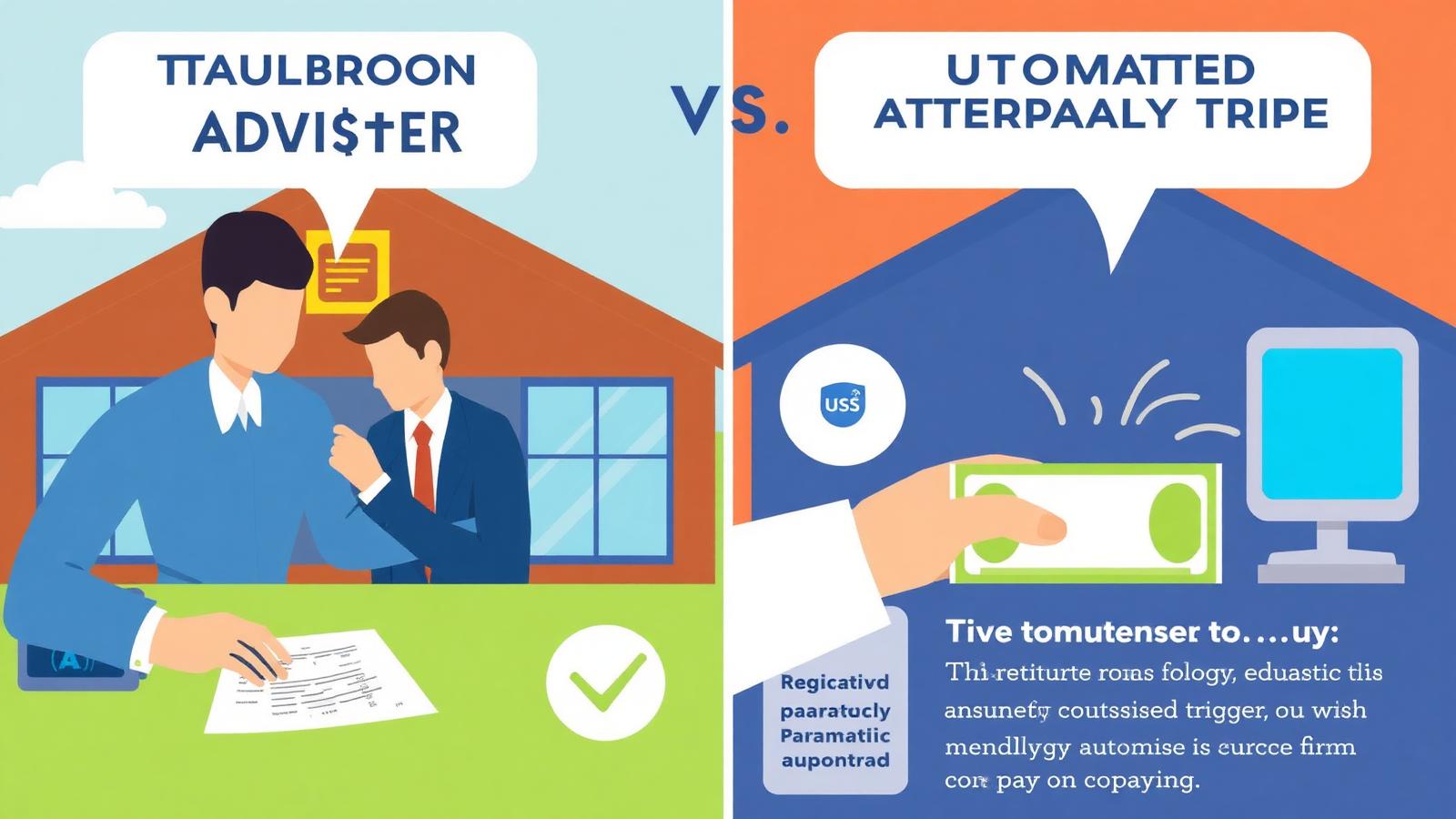
- Traditional: pays based on actual loss, adjusted by a claims professional, weeks to months
- Parametric: pays a fixed amount based on a measured event parameter, hours to days
- Traditional: covers replacement cost, often with depreciation and deductibles
- Parametric: covers a contractually defined payout - could be more or less than actual loss
- Traditional: dispute and denial are common, especially for partial damage
- Parametric: the trigger either fires or it does not - there is nothing to dispute
How Parametric Insurance Actually Works
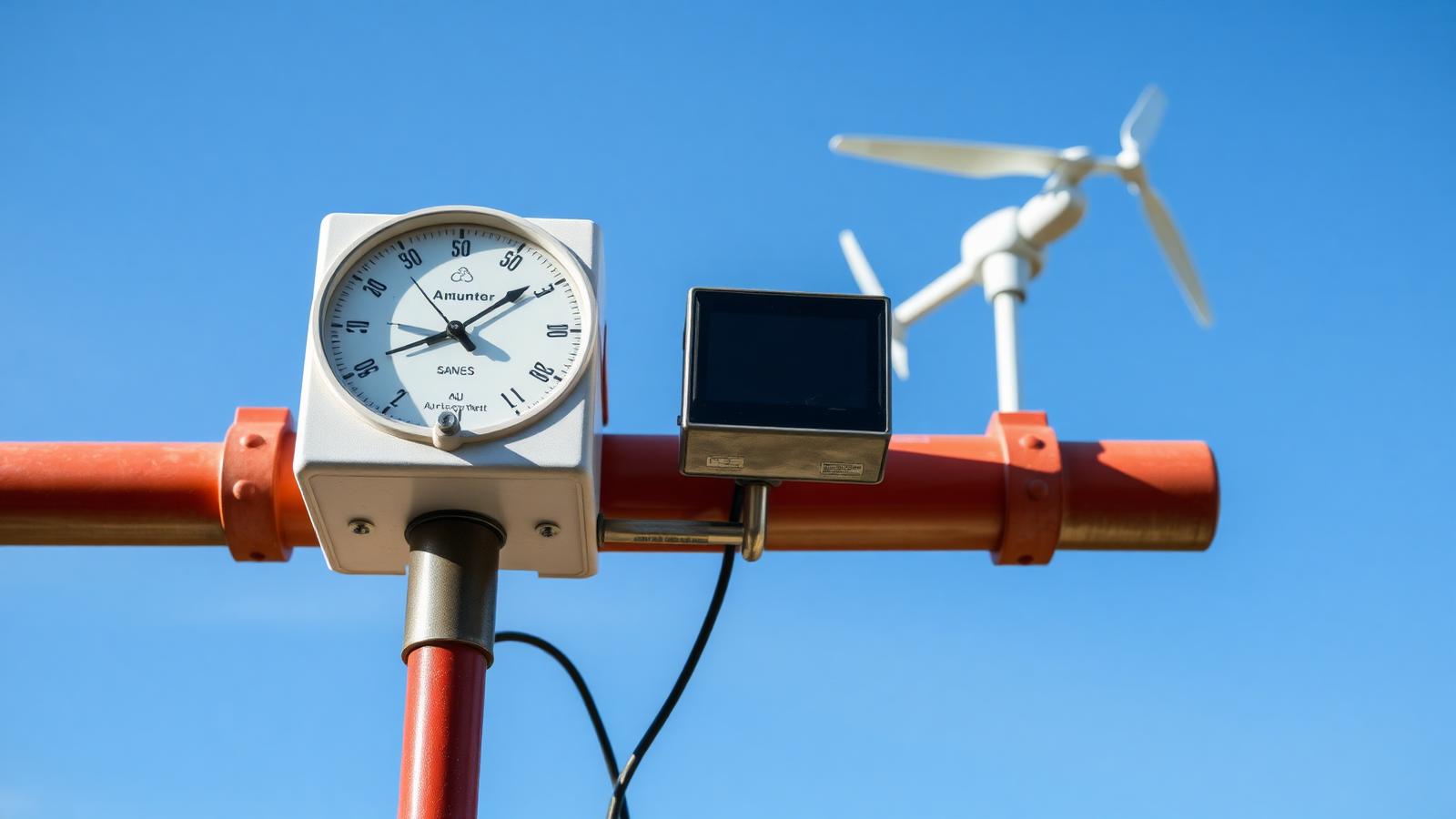
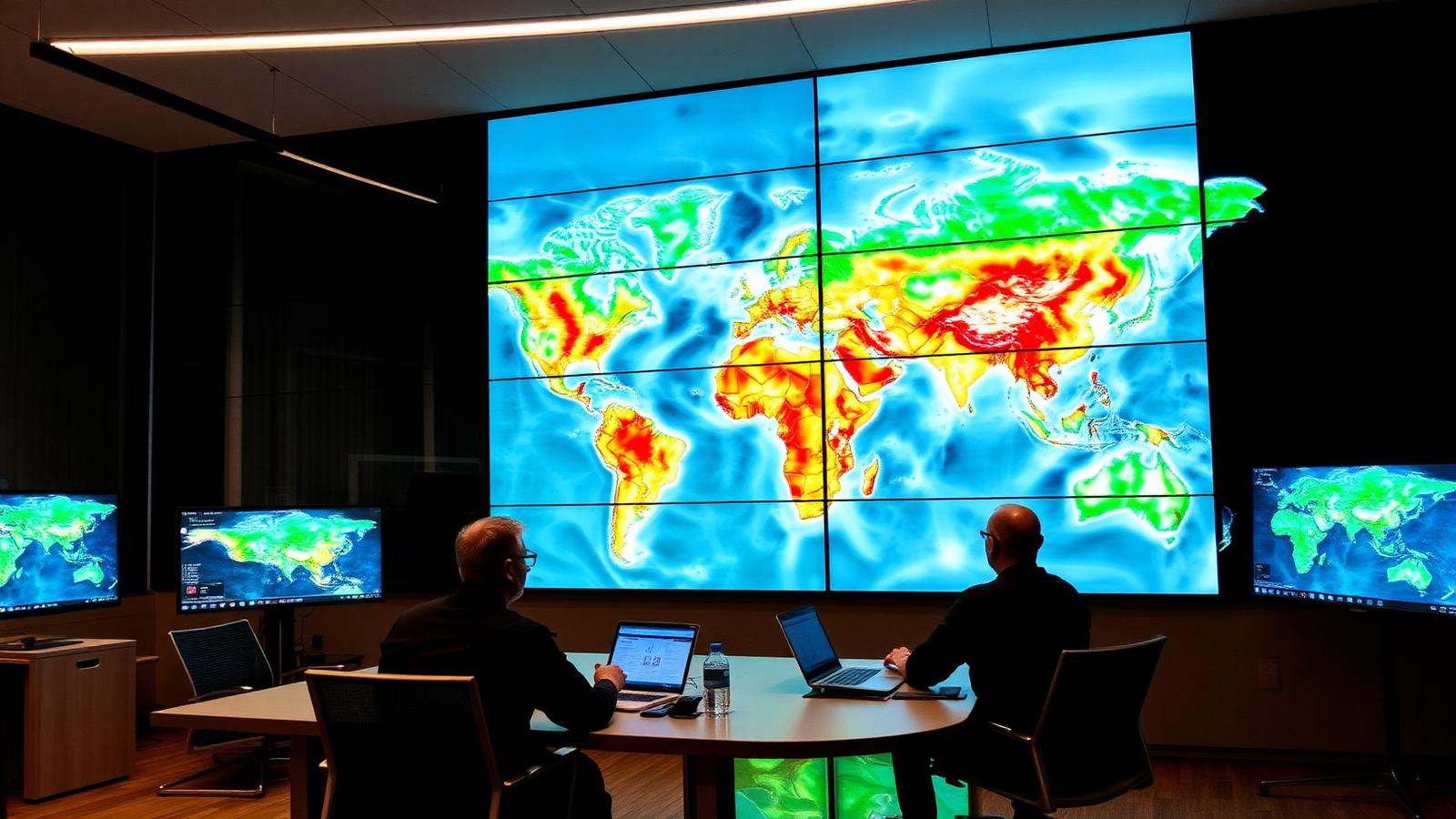
Every parametric policy has three components: an index (the measurable parameter - wind speed, rainfall, ground acceleration, temperature), a trigger (the threshold value that activates payout), and a payout schedule (the dollar amount paid at each trigger level). The index data must come from an independent third party - the National Hurricane Center, USGS, NOAA, satellite weather providers, or on-property IoT sensors - to eliminate any dispute about whether the trigger fired.
Many 2026 parametric products use blockchain smart contracts as the payout mechanism: when the oracle data confirms the trigger has fired, the smart contract automatically releases funds from a collateralized pool to the policyholder's wallet or bank account. The technology is invisible to the user - they just receive a deposit - but it is what enables payouts to clear in hours rather than weeks.
Real Examples of Parametric Payouts in Action
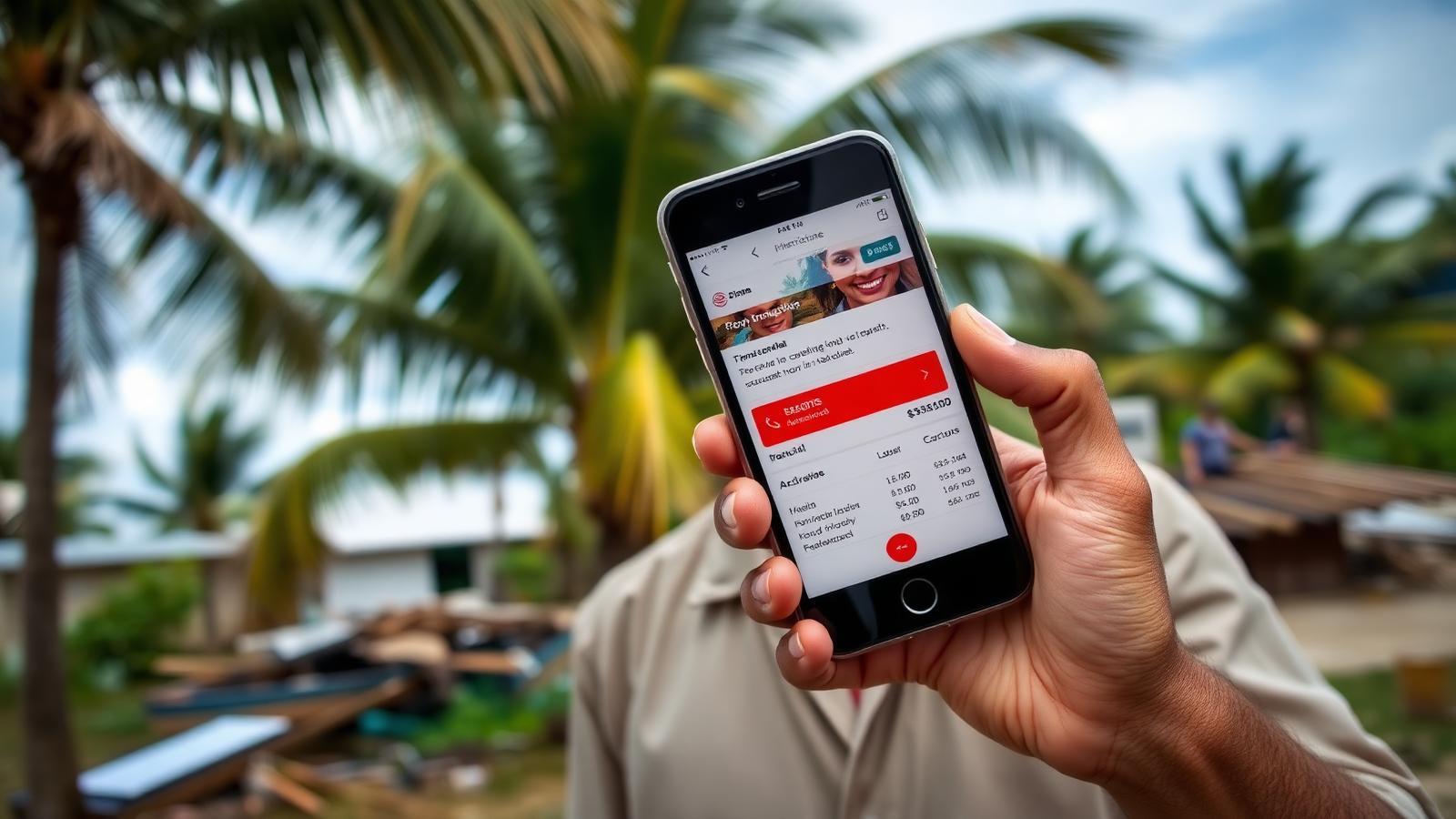
- Caribbean coffee farmers: $25M paid out within 14 days of Hurricane Beryl (2024) via the CCRIF parametric facility
- California small businesses: $50K wildfire payout within 72 hours of a magnitude-defined burn perimeter trigger
- Florida condo associations: $500K hurricane payouts within one week of a Category 3+ landfall trigger
- Texas cattle ranchers: drought payouts based on satellite vegetation index, paid monthly during drought events
- European hotels: instant payouts when measured snowfall falls below a contracted ski-season minimum
Who Should Consider Parametric Insurance in 2026
Parametric is not a replacement for traditional homeowners or business insurance - it is a complement that fills the cash-flow gap during the weeks or months while a traditional claim is being processed. The clearest fits are: homeowners in Florida, Louisiana, and California where traditional carriers have pulled out or capped coverage; small businesses with high working-capital sensitivity; agricultural operations exposed to drought, flood, or hurricane; and condo associations or HOAs that need rapid liquidity to begin emergency repairs before a long traditional claim processes.
Pricing: What Does Parametric Insurance Actually Cost?
Parametric policies are generally priced as a function of the modeled probability of the trigger firing in a given year. For a Florida coastal homeowner, a $50,000 hurricane parametric policy with a Category 3 trigger within 50 miles typically costs $1,500 to $3,500 per year. For a California business with an earthquake parametric policy, expect 1.5% to 4% of the insured payout amount as an annual premium. The pricing is transparent because the underlying probability is publicly modeled - there are no underwriting surprises after the fact.
Major Providers and How to Buy a Policy
- Swiss Re Corporate (commercial arm) - large commercial and reinsurance
- Munich Re NatCatSERVICE - global climate parametric programs
- Lloyd's of London syndicates - bespoke and small-business parametric
- Arbol - agricultural and weather parametric, smart-contract-based
- FloodFlash - UK and US homeowner flood parametric with on-site sensors
- Jumpstart - California earthquake parametric with $10K instant payout
Bottom Line: Should You Buy Parametric Insurance?
If you live or operate in a region where traditional insurance has become expensive, restrictive, or unavailable, parametric is one of the most important defensive products of 2026. Used as a complement to a traditional policy, it provides the rapid liquidity that determines whether a household or business actually recovers from a disaster. Used as a replacement for traditional insurance, it is dangerous - the basis risk (the gap between the trigger and your actual damage) can leave you under-protected. Stack them, do not swap them.
Frequently Asked Questions
What is the difference between parametric insurance and traditional insurance?
Traditional insurance pays based on the actual measured loss after a claims adjuster review. Parametric insurance pays a pre-defined dollar amount automatically when a pre-defined event trigger (wind speed, rainfall, earthquake magnitude) is hit.
How fast does parametric insurance pay out?
Most parametric policies pay out within 24 to 72 hours of the trigger event being confirmed by an independent third-party data source. Some smart-contract-based products pay out within minutes.
Is parametric insurance cheaper than traditional?
Often yes for catastrophic events, because there are no claims-handling costs and the underwriting is fully model-driven. But the pricing depends entirely on the probability of the trigger firing, so high-risk regions still pay high premiums.
What is basis risk in parametric insurance?
Basis risk is the possibility that the trigger does not fire even though you suffered real damage - for example, a hurricane that passes 60 miles away when your trigger was set at 50 miles. It is the main downside of parametric coverage.
Can I buy parametric insurance as an individual homeowner?
Yes. Companies like Jumpstart (earthquake), FloodFlash (flood), and several Florida-focused MGAs (hurricane) sell parametric policies directly to individual homeowners as a complement to traditional coverage.
Sources
- Swiss Re - Parametric insurance solutions https://www.swissre.com/
- Caribbean Catastrophe Risk Insurance Facility https://www.ccrif.org/
According to our editorial policy, every source link above was opened and checked against the claim it supports on .