Florida Homeowners Insurance Crisis 2026: Why Premiums Hit $11,000 and 7 Carriers Just Pulled Out
Florida's homeowners insurance market has reached a structural breaking point in 2026. Average annual premiums have climbed to roughly $11,000 - more than four times the national average - and seven major carriers have either exited the state or stopped writing new policies. This is the deepest insurance crisis in any US state since the post-Andrew era. Here is what caused it, what options homeowners actually have, and how to lower your premium even in 2026.
Florida's homeowners insurance market reached a structural breaking point in early 2026. Average annual premiums for a typical single-family home in the state have climbed to roughly $11,000 per year - more than four times the national average and roughly twice what the same homeowner paid in 2019. Seven major insurance carriers have either fully exited the Florida market or stopped writing new homeowners policies in the last 18 months, leaving hundreds of thousands of Floridians scrambling for coverage they cannot afford and frequently cannot find.
This is the deepest property insurance crisis any US state has experienced since Hurricane Andrew restructured the Florida market in 1992. The causes are interlocking - climate-driven hurricane intensity, runaway litigation costs, reinsurance pricing, construction inflation - and the policy responses, while real, have been partial and uneven. Here is exactly what happened, what your realistic options are in 2026, and the specific levers that can still meaningfully lower your premium.
How Bad Is It Really? The 2026 Numbers
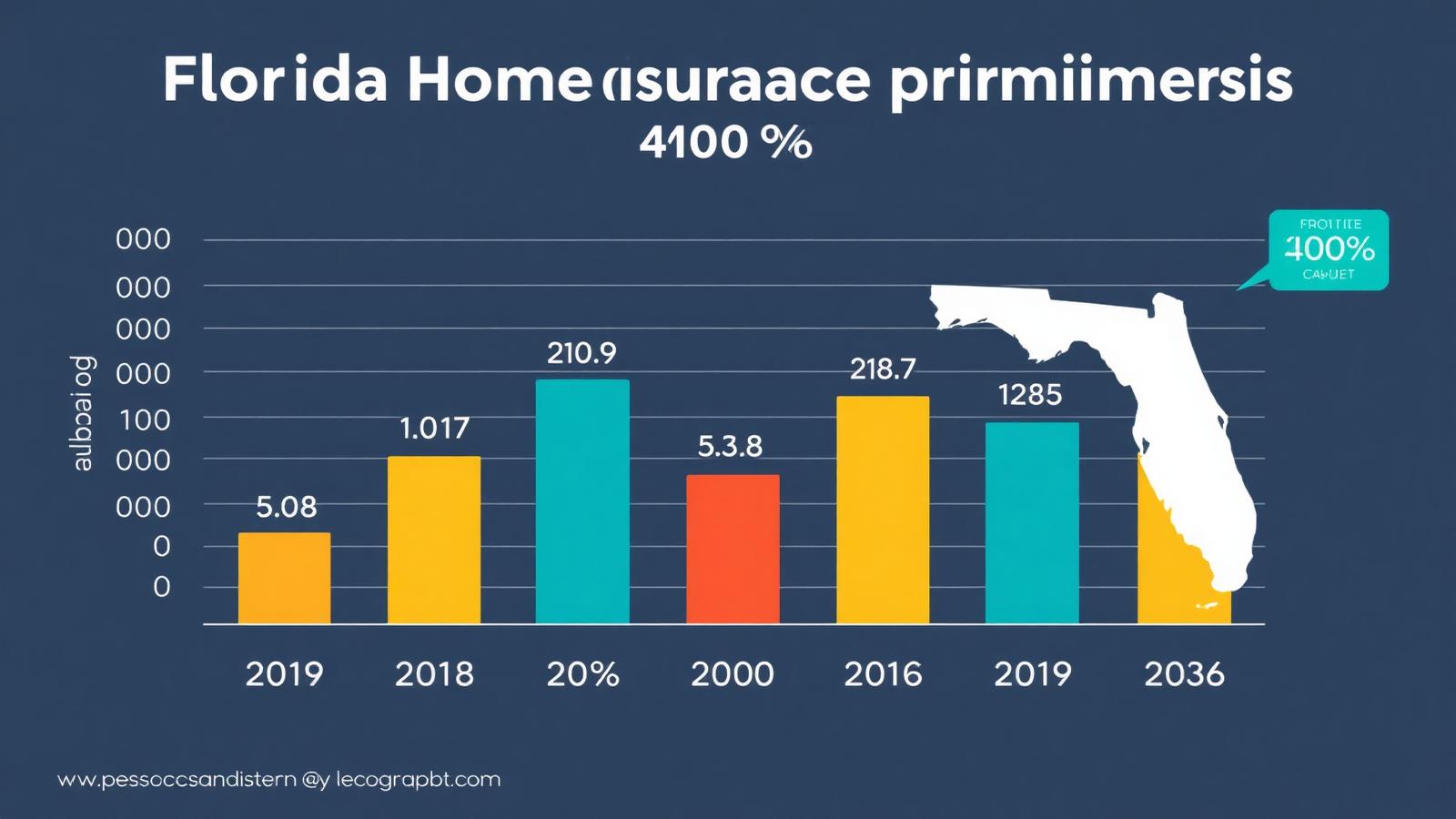
- Average premium 2019: ~$2,200 per year
- Average premium 2026: ~$10,800 per year (roughly 400% increase)
- National average 2026: ~$2,400 per year (Florida is roughly 4.5x national)
- Carriers that exited or paused new business 2024–2026: 7+ major insurers including Farmers, Bankers, AAA, Lexington
- Citizens Property Insurance (state-backed): now over 1.4M policies, the largest Florida insurer by far
What Caused the Florida Insurance Crisis?
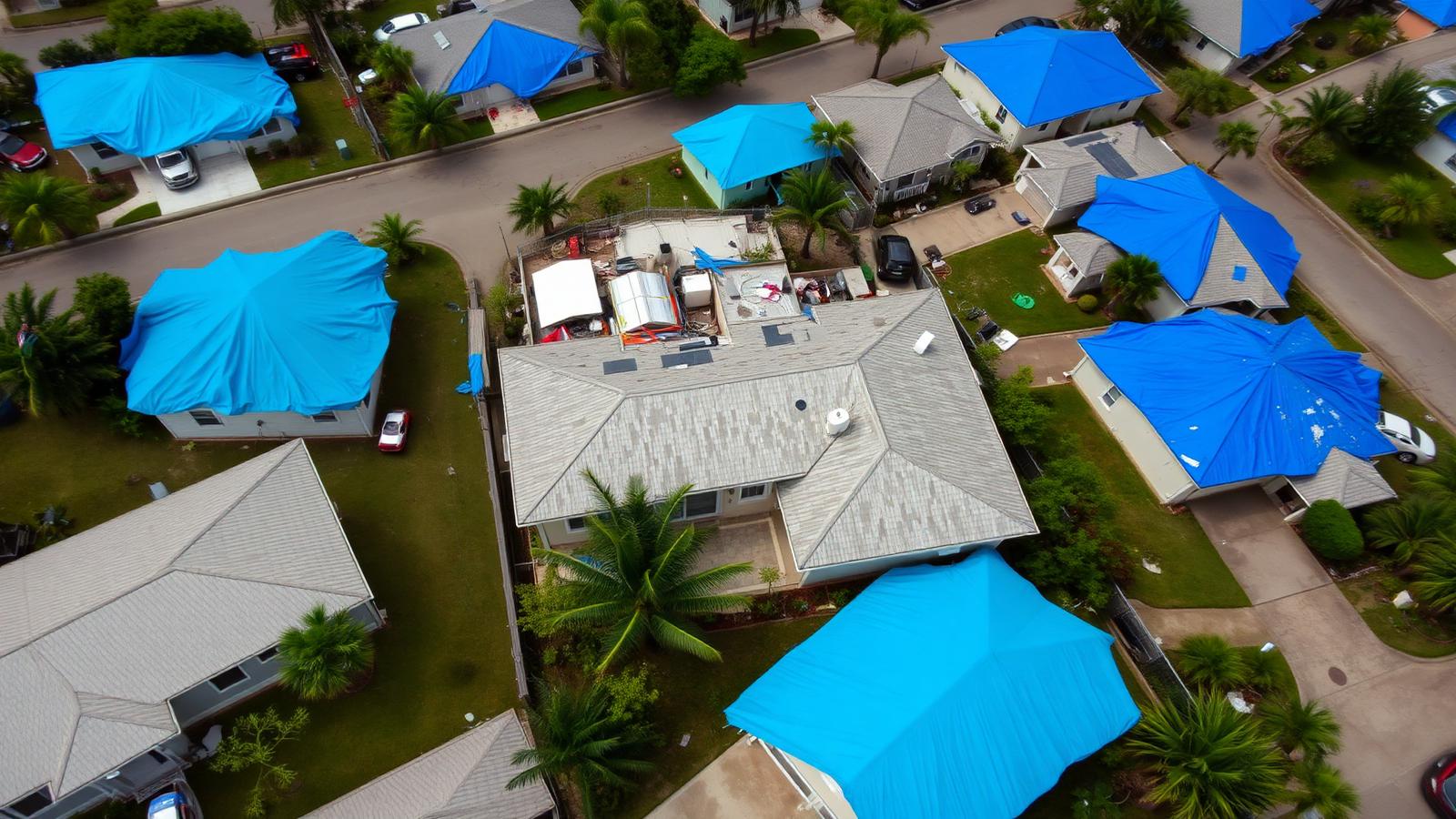
Three structural drivers, layered on top of each other, broke the Florida market. First, hurricane frequency and intensity have measurably increased - Hurricane Ian (2022), Idalia (2023), Helene (2024), and Milton (2024) collectively produced more than $200 billion in insured losses, by far the largest four-storm cluster in state history. Second, Florida-specific litigation costs were extreme - until the 2022–2023 reform, Florida accounted for nearly 80% of all US homeowners insurance lawsuits despite being only 9% of the policies. Third, global reinsurance pricing roughly doubled between 2022 and 2024, and primary Florida carriers had no choice but to pass that cost through.
Florida Insurance Reform - Did It Work?
Florida lawmakers passed the most aggressive insurance reform in any state in 2022 and 2023 - eliminating one-way attorney fee shifting, banning assignment of benefits abuse, tightening litigation timelines, and creating a $1B reinsurance backstop. The reforms have measurably reduced new lawsuit filings (down roughly 50% in 2025 vs 2022) and stabilized Citizens' loss ratios. But premium relief has been slower than promised - the consensus among industry analysts is that reforms will deliver 10–15% premium reductions by 2027, not the 30–40% reductions homeowners hoped for.
Your Options as a Florida Homeowner in 2026
- Shop the surplus lines market - non-admitted carriers like Lloyd's syndicates often beat admitted-market pricing for high-value coastal homes
- Apply to Citizens Property Insurance - the state-backed insurer of last resort if no admitted carrier will write you
- Increase your deductible from 2% to 5% or 10% - this typically reduces wind premiums by 15–25%
- Invest in mitigation upgrades - impact-rated windows, secondary water resistance, and roof straps qualify for state-mandated discounts
- Add a parametric hurricane policy as a complement - covers cash flow during the long traditional claim process
- Consider self-insuring on smaller perils - drop the all-perils portion if your home is paid off and you have liquid reserves
Mitigation Discounts: The Single Biggest Lever You Control
Florida law requires every admitted carrier to offer specific premium discounts for verified wind mitigation features - secondary water resistance, hip roof shape, roof-to-wall connections, opening protection, and impact-rated glazing. A complete wind mitigation upgrade can lower your premium by 30–45% in coastal counties. The catch: you must hire a licensed Florida wind mitigation inspector to produce the OIR-B1-1802 form, and you must re-submit the form to your carrier. Many homeowners eligible for these discounts never claim them simply because the paperwork is annoying.
Should You Drop Insurance Entirely if Your Home Is Paid Off?
Roughly one in seven Florida homeowners with paid-off mortgages now go without homeowners insurance - a record high. The math can be defensible if you have substantial liquid net worth and your home represents less than 20% of total assets. The math is dangerous if your home is your primary asset, because a single major hurricane can functionally destroy your net worth. A reasonable middle path is to maintain a high-deductible catastrophic-only policy (often dramatically cheaper than full coverage) to cap your downside while accepting routine repair risk yourself.
Best Florida Homeowners Insurance Companies in 2026
- Citizens Property Insurance - state-backed, last-resort coverage when no admitted carrier will write you
- State Farm - still writing in many inland Florida markets with disciplined coastal underwriting
- Universal Property - Florida-domiciled carrier with broadest geographic appetite
- Tower Hill - long-standing Florida specialty insurer
- American Strategic Insurance (Progressive) - strong in central Florida
- Lloyd's syndicates via E&S brokers - often the best option for high-value coastal homes
Bottom Line
Florida's insurance crisis is structural, not transitory. Premiums will moderate in 2027–2028 as the 2023 reforms work through the system, but they are not returning to 2019 levels. The homeowners who fare best in this environment are the ones who treat insurance shopping as an annual project - comparing admitted, surplus, and Citizens markets every renewal - and who aggressively pursue every mitigation discount they qualify for. Doing nothing is the most expensive option.
Frequently Asked Questions
Why is Florida home insurance so expensive in 2026?
Three layered causes: increased hurricane frequency and intensity producing $200B+ of insured losses 2022–2024; historically extreme Florida-specific litigation costs (now reformed but still working through the system); and roughly doubled global reinsurance pricing 2022–2024.
What is the average cost of homeowners insurance in Florida in 2026?
Approximately $10,800 per year for a typical single-family home, compared to a national average of roughly $2,400. Coastal and South Florida homes routinely pay $15,000–$25,000 per year.
Which insurance companies left Florida?
Multiple major carriers including Farmers, Bankers Insurance, AAA, and Lexington have either fully exited the Florida homeowners market or stopped writing new policies in the last 18 months.
Is Citizens Insurance Florida a good option?
Citizens is the state-backed insurer of last resort. It is generally cheaper than admitted carriers but has stricter underwriting (must be turned down by an admitted carrier first) and your policy may be 'depopulated' to a private carrier without your consent.
How can I lower my Florida homeowners insurance premium?
The biggest levers are: completing wind mitigation upgrades and submitting an OIR-B1-1802 form for the legally required discounts, raising your hurricane deductible to 5% or 10%, shopping the surplus lines market, and bundling with auto.
Sources
- Florida OIR - Insurance Market Report https://www.floir.com/
- Citizens Property Insurance Corporation https://www.citizensfla.com/
According to our editorial policy, every source link above was opened and checked against the claim it supports on .