How to Escape the BNPL Debt Trap in 2026: The Loud Budgeting Playbook for Klarna, Affirm, and Afterpay Users
$45 billion in BNPL loans, $400 billion in phantom debt, and a generation of borrowers stacking Klarna on Affirm on Afterpay. Here is the practical 2026 escape plan - plus the loud-budgeting movement that's actually working.
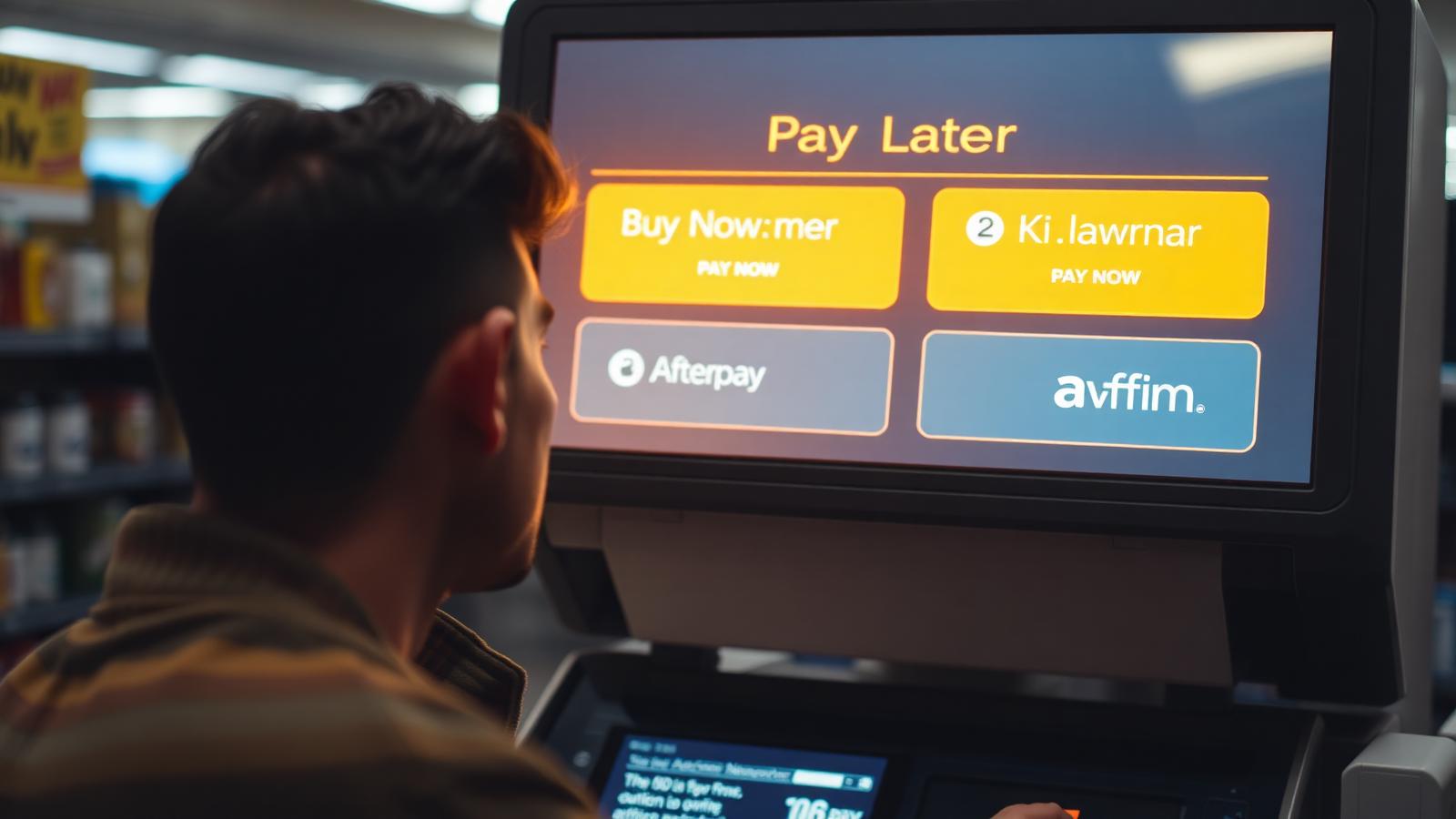
In December 2025, the Consumer Financial Protection Bureau released its annual report on the buy-now-pay-later market. The headline number was an industry-record $45.2 billion in 2024 originations across 53.6 million U.S. users. The number that mattered to readers was further down: more than one in three BNPL users now carries balances on more than one provider simultaneously, and 24% have missed at least one payment in the past 12 months. By April 2026, with credit-card debt at a record $1 trillion-plus and a slowing labor market, BNPL has become the quiet pressure point in U.S. consumer finance.
This is the practical guide to escaping a BNPL debt spiral in 2026 - and to the cultural movement that is reshaping how a generation of younger consumers talk about money in the first place. 'Loud budgeting,' the trend that exploded on TikTok in 2024 and matured into a mainstream behavior in 2025–2026, is the antidote that finally seems to be working at scale.
How BNPL got here: $400 billion of phantom debt
The original BNPL pitch - interest-free installments on small purchases, paid back over six weeks in four equal payments - sounds harmless. For the disciplined consumer using BNPL to smooth cash flow on a planned $300 purchase, it can be. The problem is what BNPL became at scale: a checkout option offered on virtually every e-commerce site for purchases ranging from $20 takeout meals to $4,000 furniture, with no credit check, no aggregation across providers, and almost no visibility on traditional credit reports.
That last point is the structural issue. Equifax began incorporating some BNPL data in 2025, but the integration is partial; FICO and VantageScore models still largely ignore BNPL balances; and the $300 you owe Klarna, the $185 you owe Afterpay, the $420 you owe Affirm, and the $90 you owe Sezzle do not appear as a single, aggregated balance anywhere - including, in many cases, on your own dashboard. Industry analysts now refer to this as 'phantom debt': real obligations that simply don't show up in the credit-bureau measurement of household borrowing.
The Federal Reserve Bank of New York's Household Debt and Credit Report tracks $17.9 trillion in measured U.S. household debt. American Default's 2026 analysis estimates that BNPL adds at least $400 billion of additional, unmeasured debt to that total - roughly 2.2% of all household debt, sitting outside the systems regulators use to measure financial stress.
The BNPL providers in 2026: who reports what to credit bureaus
Whether your BNPL activity hits your credit score depends on which provider you use and which loan product you take. As of Q2 2026, provider by provider:
- Affirm - reports both Pay-in-4 and longer-term loans to Experian. Late payments and defaults can damage your credit score.
- Klarna - reports longer-term financing to Experian, TransUnion, and Equifax (added in 2025); does not yet report Pay-in-4 to U.S. bureaus.
- Afterpay - does not report to U.S. credit bureaus as of 2026 for standard Pay-in-4 loans, but late fees and collections can still appear if accounts go to a third-party collector.
- PayPal Pay-in-4 - does not report individual installment plans to U.S. credit bureaus, but missed payments can be reported to bureaus indirectly via the broader PayPal credit relationship.
- Sezzle - does not report Pay-in-4 by default, but offers an opt-in 'credit-building' feature that reports on-time payments.
- Apple Pay Later (sunset 2024) - historic only.
The takeaway: even when BNPL doesn't directly hit your credit score, defaulted accounts go to collections, and collections do show up on credit reports. The 'BNPL doesn't affect my credit' assumption that drove much of the original adoption is no longer reliable.
How to escape a BNPL debt spiral: the 5-step playbook
Step 1: Inventory everything in one document
Open a new spreadsheet or note. List every active BNPL plan: provider, original purchase amount, total remaining balance, payment due date, payment amount, and whether it reports to credit bureaus. The first time most people do this, they are shocked by the total. The 2024 CFPB report found that BNPL borrowers carry an average of 4.2 active loans simultaneously.
Step 2: Stop the bleeding - block new BNPL at checkout
Every browser now supports extensions (Honey, Rakuten, Capital One Shopping) that can be set to flag BNPL options at checkout. More effectively: most BNPL apps let you toggle off the 'auto-offer' integration on partner sites. Turn that off everywhere. If you use Apple Wallet, remove BNPL providers from the wallet. The single behavioral change of having to manually log in to a BNPL app to use it cuts impulse usage by an estimated 60–70% in industry data.
Step 3: Prioritize payoff in the right order
Two strategies work - pick one and commit. The 'avalanche' method pays minimums on every loan and sends every spare dollar to the highest-APR loan first. The 'snowball' method pays minimums on every loan and sends spare cash to the smallest balance first, building psychological momentum. Mathematically, avalanche saves money. Behaviorally, snowball produces higher completion rates. For BNPL specifically, since most Pay-in-4 loans carry 0% interest if paid on time, the snowball method (kill small balances first) tends to win on both dimensions.
Step 4: Negotiate with providers if you're behind
Every major BNPL provider has a hardship program. Most do not advertise it. If you are 30+ days behind on a balance, call (do not email) and ask for the hardship plan. Klarna, Affirm, and Afterpay all offer payment-plan extensions, late-fee waivers, and reduced settlements (typically 50–70% of the original balance) for accounts in collections. Get any agreement in writing before paying.
Step 5: Replace BNPL with a budgeting structure that prevents the next spiral
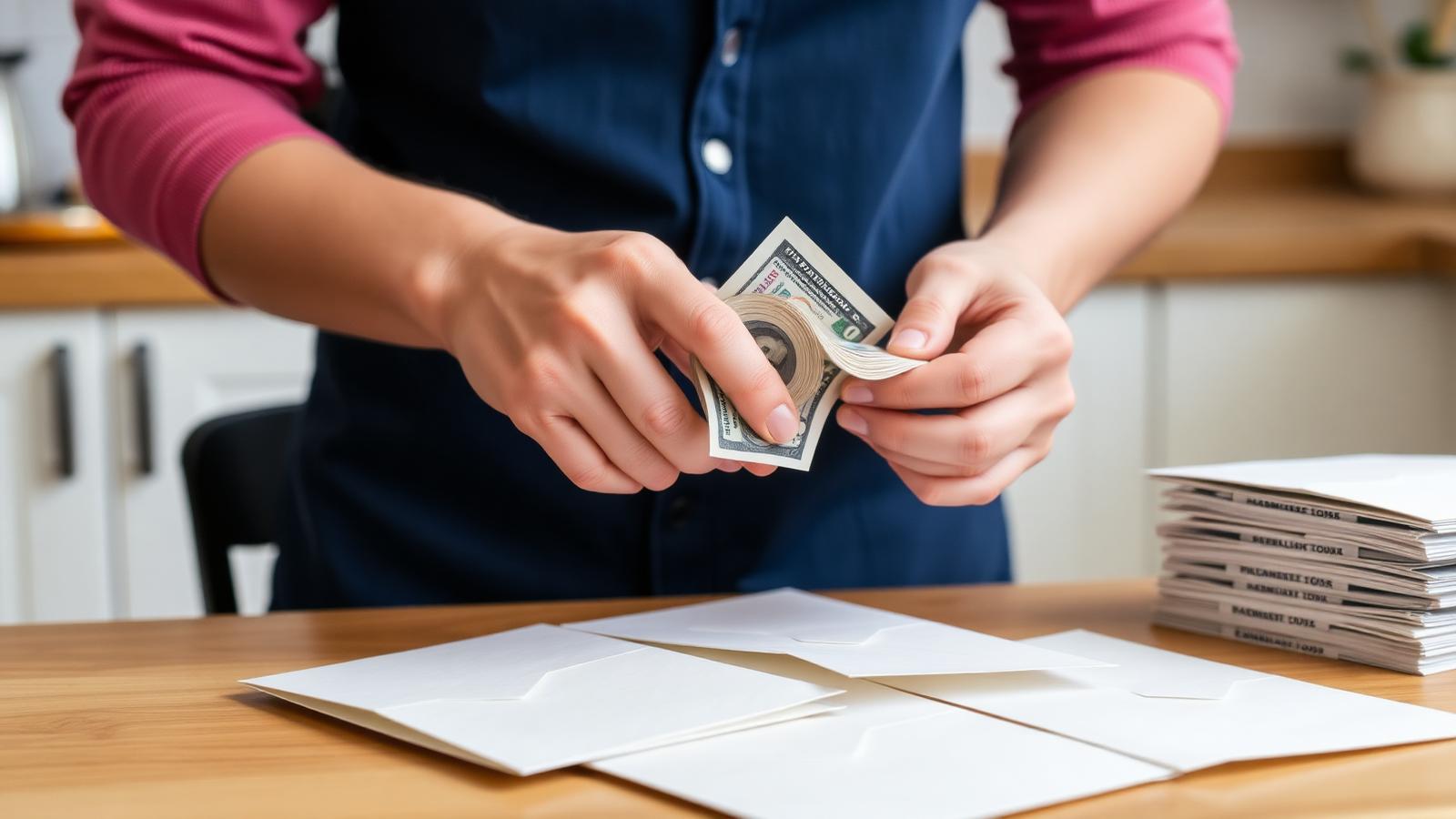
This is the part that distinguishes consumers who escape from those who repeat the cycle. Two approaches dominate in 2026: the 'cash-stuffing' envelope method (physical or digital), and the 'sinking funds' approach used by zero-based budgeting tools like YNAB and EveryDollar. Both work because both force you to pre-allocate every dollar to a category before it is spent - making the question 'can I afford this in six weeks?' impossible to ignore at checkout.
Loud budgeting: the cultural shift that's actually working
In January 2024, a TikTok creator named Lukas Battle posted a 50-second video declaring 2024 the year of 'loud budgeting' - saying out loud that you can't afford something, instead of inventing a polite excuse, instead of putting it on Klarna. The video hit 1.5 million views in a week. By the end of 2024, 'loud budgeting' had become a top-five Google trend in the personal-finance category. By 2026, it has matured into a measurable behavioral movement.
The premise is straightforward: financial shame drives bad spending decisions. When you cannot say 'I'd love to come, but that dinner is $80 and I'm saving for a down payment,' you either skip the friendship or put it on a credit card. Both are bad. Loud budgeting normalizes the third option: actually saying it. The early evidence - surveys from Empower, Bankrate, and Credit Karma in 2025 - shows that consumers who openly discuss spending limits with their social circle are 38% less likely to use BNPL impulsively and 27% more likely to hit savings goals than those who do not.
In 2026, the practical scripts that work, refined across two years of TikTok experimentation:
- 'I'd love to, but that's not in my budget this month.' Period. No further explanation.
- 'Can we do a free hangout this week and a paid one next month?' Specific counter-offer.
- 'I'm doing a no-spend month - can we walk in the park instead?' Frames a constraint as a positive identity.
- 'My financial goal this year is $X. Restaurant nights aren't aligned with it.' Anchors the limit to a goal, which is harder to argue with.

BNPL vs credit cards: which is actually worse?
Treated rationally, BNPL Pay-in-4 is cheaper than a credit card carry: 0% interest if paid on time, no annual fee, no compounding. Treated honestly, BNPL is far more dangerous for many users than credit cards because the friction at checkout is lower, the marketing pressure is higher, the integration is more aggressive, and the lack of a single dashboard makes total exposure invisible. The CFPB's 2024 data found that BNPL users were 1.7x more likely than non-users to be 90+ days delinquent on a credit-card account within 12 months - suggesting that BNPL doesn't replace credit-card spending; it stacks on top.
What's coming in 2026–2027
Three regulatory and structural changes deserve watching. First, the CFPB's 2024 'Interpretive Rule' classified Pay-in-4 BNPL loans as credit cards under Regulation Z - meaning providers must offer the same dispute, refund, and billing-error protections. Implementation is rolling through 2026. Second, FICO and VantageScore are both rolling out updated models in late 2026 that will incorporate BNPL data more comprehensively. Third, several state attorneys general have opened investigations into BNPL marketing practices targeting subprime borrowers; expect enforcement actions in 2026.
The honest summary: BNPL is not going away. It is a useful financial tool when used deliberately. The challenge for consumers is that it is engineered to be used impulsively. The escape, in 2026, is the same it has always been - see your real spending, set hard limits, and refuse to spend money you don't have on things you don't need. Loud budgeting just gives that old advice a new vocabulary, and a community that finally takes the shame out of it.
Frequently Asked Questions
Does buy now pay later affect your credit score?
It depends on the provider and product. Affirm and Klarna report most loans to credit bureaus and can damage your score with late payments. Afterpay, PayPal Pay-in-4, and Sezzle (default product) generally do not report to U.S. credit bureaus directly - but defaulted accounts can still go to collections, which do appear on credit reports.
How do I get out of BNPL debt fast?
Inventory every active loan in one place; block new BNPL options at checkout; pay minimums on all loans and either snowball (smallest balance first) or avalanche (highest interest first); negotiate hardship plans on accounts that are behind; and replace BNPL with a structured budget that pre-allocates every dollar before it is spent.
What is loud budgeting?
Loud budgeting is the cultural practice of openly stating spending limits to your social circle - saying 'that's not in my budget' instead of inventing an excuse. The trend started on TikTok in January 2024 and matured into a measurable behavioral movement by 2026, with users 38% less likely to use BNPL impulsively and 27% more likely to hit savings goals.
Is BNPL worse than credit cards?
Mathematically, Pay-in-4 BNPL is cheaper if paid on time (0% interest). Behaviorally, BNPL is more dangerous for many users because of lower checkout friction, more aggressive marketing, and the lack of a single dashboard showing total exposure. CFPB data shows BNPL users are 1.7x more likely than non-users to be 90+ days delinquent on a credit card.
Can BNPL accounts go to collections?
Yes. All major BNPL providers send accounts that are 60–90 days delinquent to third-party collection agencies, and those collections can be reported to credit bureaus regardless of whether the original loan itself was reported. Collections damage your credit score for up to seven years.
What happens if I just stop paying my BNPL loans?
Late fees accumulate; the provider freezes your account; eventually the debt is sold to a collection agency; collections appear on your credit report; you may be sued in small-claims court for amounts over a few hundred dollars. Always negotiate a hardship plan before stopping payments - every major provider has one available.
How do I prevent myself from using BNPL impulsively?
Remove BNPL providers from your Apple Wallet and Google Wallet; uninstall the apps; turn off the 'auto-offer' integration on partner sites; install browser extensions that hide BNPL options; and adopt a zero-based budgeting tool (YNAB, EveryDollar, Monarch) that requires you to pre-allocate every dollar before it is spent.
Sources
- CFPB - 2024 BNPL Market Report https://www.consumerfinance.gov/data-research/research-reports/
- Federal Reserve Bank of New York - Household Debt and Credit Report https://www.newyorkfed.org/microeconomics/hhdc
- American Default - Phantom Debt Analysis https://americandefault.org/analysis/phantom-debt/
- NBC News - Klarna Users Struggling to Repay https://www.nbcnews.com/business/personal-finance/buy-now-pay-never-klarna-users-struggle-repay-loans-us-consumer-debt-s-rcna207940
According to our editorial policy, every source link above was opened and checked against the claim it supports on .