The Emergency Fund Has Changed: A 2025 Guide to Cash, Yield and Liquidity
The old advice - three to six months of expenses in a savings account - needs an update. Here's how to size and structure an emergency fund for 2025.
For most of the post-2008 era, the emergency fund was a charity case in personal finance. Cash paid nothing, inflation ate it, and the only argument for holding any was psychological. In 2025, that math has flipped. High-yield savings accounts pay 4–5%. Money market funds yield 4.5%+. Three-month Treasury bills clear above 4%. For the first time in fifteen years, holding cash is an active portfolio decision, not a punishment.
How much do you actually need?
The classic answer - three to six months of expenses - still holds, but the right number depends on three variables most calculators ignore.
- Income volatility: a salaried W-2 employee at a stable employer needs less than a freelancer.
- Household structure: single-income households need more than dual-income.
- Insurance gaps: high-deductible health plans require larger reserves.
Structure beats size
Once you have a target number, the structure of the fund matters more than the exact amount. We recommend a three-tier approach:
Tier 1 - Instant access (1 month of expenses)
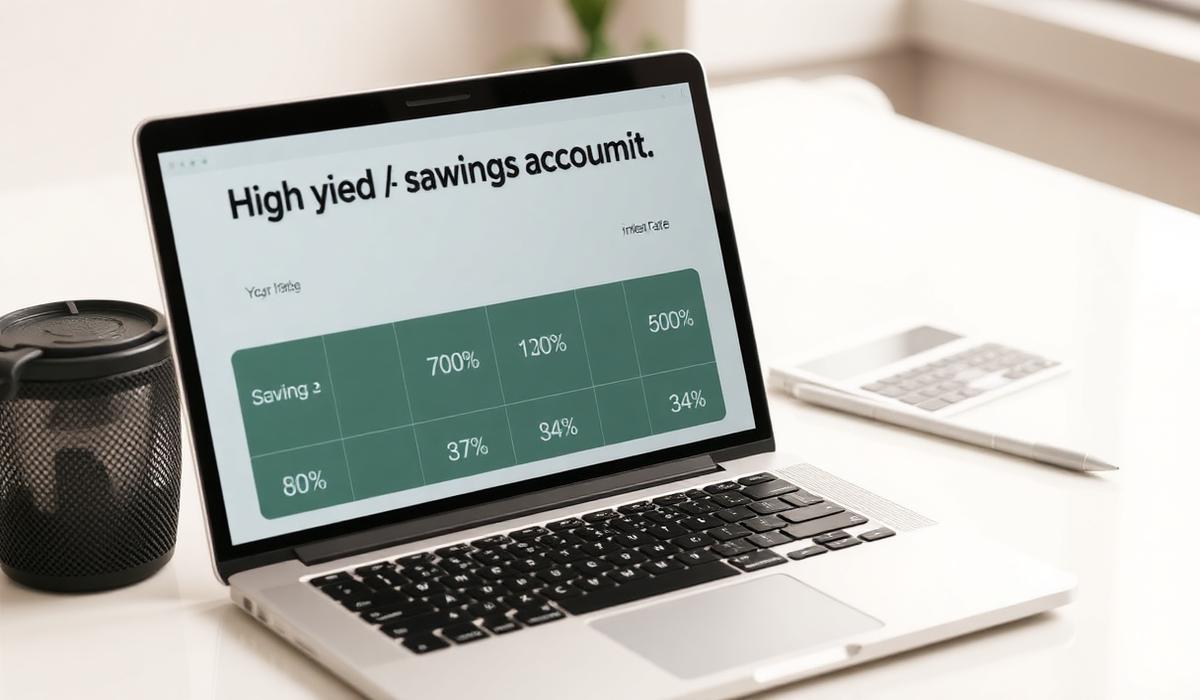
Hold this in a high-yield savings account at a separate institution from your primary checking. Same-day access, FDIC insured, no transaction risk.
Tier 2 - One-week access (1–2 months of expenses)
A money market fund inside a brokerage account. Slightly higher yield, T+1 access, still effectively liquid for any non-instant emergency.
Tier 3 - Treasury ladder (1–3 months of expenses)

A rolling 4-, 8- and 13-week T-bill ladder. State tax exemption, highest yield, predictable maturity dates. Use a brokerage's auto-roll feature to avoid manual reinvestment.
When to use it
Real emergencies only. A new roof, a job loss, a major medical bill. Vacations, weddings and holiday spending should be funded by separate sinking funds, not the emergency reserve.
An emergency fund you've never touched is doing exactly the job it was hired for.
Frequently Asked Questions
How much should I have in an emergency fund?
Three to six months of essential expenses is the standard benchmark. Single-income households, freelancers and people with high-deductible health plans should aim for the higher end.
Where should I keep my emergency fund?
A combination of a high-yield savings account, a money market fund and a short Treasury ladder maximizes both liquidity and yield in 2025's rate environment.
Should I invest my emergency fund in stocks?
No. The purpose of the fund is liquidity and capital preservation. Stock market volatility can leave you short exactly when you need the money most.